




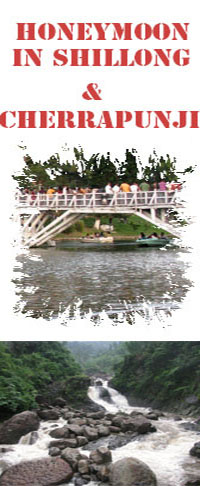
Sohra and Cherrapunjee: understanding Meghalaya’s two names
Travelers arriving in Meghalaya often encounter two names for the same destination: Sohra and Cherrapunjee. Road signs, hotel listings, maps, tour descriptions, and conversations with local residents may use either spelling, which can make it seem as though they refer to separate towns.
In most travel contexts, they identify the same highland destination in the East Khasi Hills, famous for dramatic waterfalls, limestone caves, forest trails, living root bridges, and intense monsoon rainfall. The difference is rooted in language, history, administration, and tourism rather than geography.
Knowing how the names developed makes it easier to plan a journey and communicate respectfully. It also reveals something important about Meghalaya: local identity and colonial-era mapmaking still appear side by side in everyday travel language.
Where the two names come from
Sohra is the Khasi name associated with the town and surrounding area. It is generally pronounced approximately as “Soh-rah,” although the precise sound is best learned from Khasi speakers. Khasi is the principal language of the region, and Sohra remains the name most closely connected with local heritage and identity.
Cherrapunjee is an anglicized form that became widely used during the colonial period. Historical records contain several spellings, including Cherrapunji and Cherra, reflecting attempts to represent a Khasi place-name through English orthography. The spelling “Cherrapunjee” became especially familiar through tourism, weather reporting, travel writing, and the destination’s reputation as one of the wettest places on Earth.
The name change is therefore not a change of location. A resort advertising a “Cherrapunjee tour” and a local sign pointing toward Sohra are generally directing visitors to the same destination. Some official and local contexts favor Sohra, while many businesses continue to use Cherrapunjee because it is instantly recognizable to travelers.
What Sohra means locally
Sohra is more than an alternative label on a map. It reflects the Khasi connection to the land, its settlements, oral traditions, sacred forests, and distinctive relationship with the surrounding hills. Using the local name can be a simple way for visitors to acknowledge that the destination has a living culture, rather than being only a scenic stop associated with rainfall.
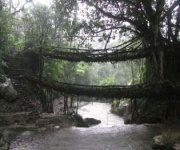
The area around Sohra includes villages and rural communities where Khasi customs remain part of daily life. Visitors may encounter traditional food, local markets, Presbyterian churches, community-managed forest areas, and stories connected with hills, rivers, caves, and bridges. The famous living root bridges are especially meaningful because they represent generations of ecological knowledge and patient cultivation.
Sohra also helps distinguish the destination from a narrow image built around extreme weather. Rain is central to the region’s character, but the landscape includes far more: plateaus covered in grasses and forest, deep gorges, clear streams in the dry season, monsoon-fed cascades, and extensive cave systems. The local name places the destination within its broader cultural and geographic setting.
How the names are used today
For travelers, the two terms often serve slightly different purposes. Sohra is the preferred local and increasingly official name, while Cherrapunjee remains the established tourism name used by hotels, transport providers, travel agencies, and international visitors. Both can appear in addresses, online searches, and package titles.
The following comparison captures the practical distinction without suggesting that they are separate destinations.
| Name | Origin or usage | Where travelers may see it | What it refers to |
|---|---|---|---|
| Sohra | Khasi local name | Local speech, signs, government references, cultural contexts | The town and surrounding destination |
| Cherrapunjee | Anglicized historical name | Tourism websites, hotel listings, guidebooks, weather reports | The same town and region |
| Cherrapunji | Alternate English spelling | Older maps, articles, search results, transport references | The same destination |
| Cherra | Shortened historical form | Older documents and occasional informal usage | A historical reference to the area |
Search engines may return all three English-language forms, especially when visitors are looking for accommodation or sightseeing information. Entering “Sohra,” “Cherrapunjee,” or “Cherrapunji” can lead to overlapping results. Checking the exact village or attraction name is more useful than treating the spellings as different places.
The landscape behind the name
Sohra sits on a plateau in Meghalaya’s East Khasi Hills, with steep escarpments facing the plains of Bangladesh. This setting creates the region’s dramatic scenery. Water flows over cliffs into forested valleys, and viewpoints can reveal an extraordinary change in elevation across a short distance.
The climate also explains why Cherrapunjee became famous around the world. Moisture-laden monsoon winds rise against the Khasi Hills, producing exceptionally heavy rainfall. Rainfall patterns vary by season and year, so visitors should avoid assuming that every day will be wet or that waterfalls will look identical throughout the year. The monsoon can transform small streams into powerful cascades, while the drier months often offer clearer views and more manageable trekking conditions.
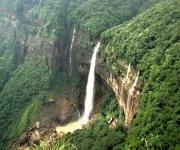
The attractions associated with the destination are spread across the wider area rather than concentrated in a single compact center. Nohkalikai Falls, Seven Sisters Falls, Mawsmai Cave, Arwah Cave, Dainthlen Falls, eco-parks, viewpoints, and living root bridges may require separate drives and walks. Forest edges and village landscapes also support a range of birds, butterflies, insects, and mammals, and visitors interested in local fauna can read about wildlife you might spot before setting out.
What visitors should use when planning
When booking transport, accommodation, or a guided excursion, it is sensible to use both names in searches and messages. A request for “a hotel in Sohra, Cherrapunjee” is clear to local operators and helps prevent confusion with other places in Meghalaya. The same approach works when searching for airport transfers, taxi routes, sightseeing packages, and weather updates.
Travel websites may describe an itinerary as a Cherrapunjee holiday package because that phrase is widely recognized. A local guide may call the destination Sohra throughout the trip. Neither usage is automatically more accurate in every situation; the context determines which name is most natural.
A few planning habits can make the distinction easier to handle:
- Search for both “Sohra” and “Cherrapunjee” when comparing hotels, resorts, and tour packages.
- Confirm the village, landmark, or road section included in an itinerary rather than relying on the destination name alone.
- Use “Sohra” in local conversations when appropriate, while recognizing that Cherrapunjee is still widely understood.
- Allow extra travel time for waterfalls, caves, and root bridges located outside the main town.
- Check seasonal road conditions and walking requirements before choosing a sightseeing route.
The name on a booking page matters less than the details of what the package includes. A two-night stay near the main town will offer a different experience from a longer itinerary covering Nongriat, forest trails, and remote viewpoints.
Why the older name remains popular
Cherrapunjee became deeply established in global geography and popular culture because of its rainfall records. Schoolbooks, newspapers, documentaries, and travel guides repeated the name for generations. As a result, it remains the term many visitors know before they learn about Sohra.
Tourism also preserves familiar names. Businesses often choose “Cherrapunjee” in their branding because it helps travelers find them online. International visitors may search that spelling when looking for vacation packages, local resorts, attractions, or transport. Removing the familiar term entirely could make useful information harder to discover, especially for people planning their first trip to Meghalaya.
At the same time, the growing use of Sohra reflects greater attention to indigenous place-names and local preference. Travelers do not need to treat the two names as competing brands. Understanding the history behind both allows them to recognize why a local resident, government office, hotel, and travel website may choose different wording for the same area.
A more meaningful way to experience Sohra
The name a visitor uses is only one part of respectful travel. More important is the way the destination is experienced. Hiring local guides, following community instructions near root bridges, carrying waste back from trails, and avoiding damage to cave formations help protect the landscapes that make the region distinctive.
Weather should also shape expectations. Heavy rain can make steps slippery, streams difficult to cross, and narrow roads slower than expected. Comfortable walking shoes, light rain protection, quick-drying clothing, a small first-aid kit, and sufficient drinking water are useful additions to any Sohra itinerary. Visitors planning cave excursions should follow guide instructions and avoid entering areas that are unsafe during or after heavy rain.
Whether a trip is described as a Sohra escape or a Cherrapunjee tour, the best itinerary leaves room for both major landmarks and quieter encounters. A waterfall viewpoint may provide the iconic photograph, while a village walk, a conversation with a guide, or time spent understanding a living root bridge may offer a deeper connection to Meghalaya.
Plan your Meghalaya journey through Cherrapunjee.net to compare multi-day packages, accommodation options, attractions, and practical travel information. Using both names when researching will help you find the right route while appreciating the history and living identity of this remarkable destination.