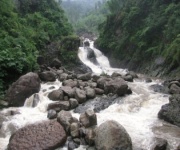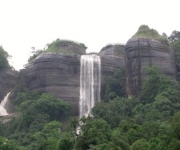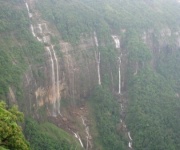




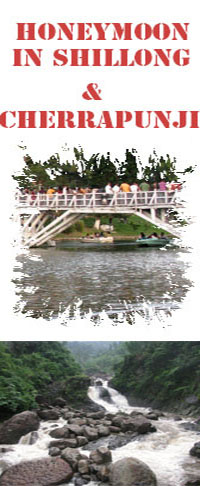
Hidden waterfalls beyond the familiar Sohra viewpoints
Cherrapunji’s celebrated waterfalls fill guidebooks with dramatic photographs, yet the plateau’s most memorable cascades often lie beyond the road-access viewpoints. The hidden waterfalls accessible only by local guides belong to a practical, changing category: some routes cross community or private land, while others depend on village knowledge and disappear beneath turbulent monsoon water. A guide therefore does more than point out a viewpoint; they help determine whether a visit is safe, permitted and worthwhile.
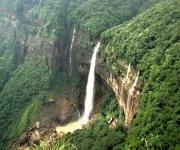
Most visitors experience Sohra, also called Cherrapunji, through Nohkalikai, the Seven Sisters and Kynrem Falls. Beyond those familiar stops, rain-cut tracks lead toward Dympep, Elephant and Wah Kaba falls, while the Riwai side of the valley holds smaller seasonal drops around Wei Sawdong. Conditions can alter the best route from one day to the next, so online descriptions are best treated as field notes rather than fixed promises.
This matters especially for Australian travellers, who may arrive with strong bushwalking habits but little familiarity with Khasi hill paths. English is widely understood, yet Sohra, Cherrapunji and Riwai can refer to overlapping areas. A local guide bridges that gap by interpreting place names, reading weather signs and explaining when a short-looking descent becomes a slippery, stream-crossing rainforest route.
Responsible discovery depends on respecting local priorities. Some falls sit near farms, settlements or culturally important places, where photography or entry may require permission. Strong operators maintain those relationships, keep visits low-impact and know evacuation points. They can also change the plan when residents advise that a path, bridge or forest area is unsuitable.
Why a guide changes the waterfall experience
Access through a guide is not a blanket legal category. The phrase describes places where independent access is unreliable, inappropriate or dependent on informal permission. Nohkalikai, for example, has a well-established road approach, whereas a lesser-known cascade may require village permission, a local keyholder or knowledge of a safe crossing after rain.
A guide also carries local authority without making the visit feel institutional. They can explain Khasi names, identify seasonal plants and explain how water shapes each valley. On a crowded platform, that context often adds more than another viewpoint would.
The largest advantage is informed risk management. Guides track cloud build-up, runoff and unstable ground, and they know whether a waterfall is best viewed from above, below or across the stream. Their judgement can prevent a wasted journey and, more importantly, keep walkers away from hazardous edges.
The lesser-known falls around Sohra
Dympep is a common choice for visitors seeking depth beyond the main viewing areas. The route passes through wet forest near Arwah Cave and includes steep, slippery sections, particularly during and just after rain. Elephant Falls offers another less-polished experience, with a long approach and a powerful descent that changes dramatically with the waterfall’s flow.
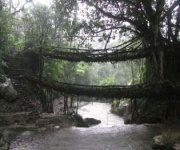
Around Riwai, Wah Kaba and Wei Sawdong reward travellers who want to walk rather than circle a car park. Both itineraries need careful local interpretation because paths cross uneven ground and can be difficult to retrace in mist. The surrounding living bridges add another layer to the day; this live root bridge guide provides useful seasonal and practical context for that side of the valley.
Waterfall names are not always consistent across maps, signs and guidebooks, particularly in Khasi communities where several features can share a descriptive term. Confirm the intended fall by combining its English name, local name, village and walking time. That simple step prevents a long trek to the wrong cascade and gives your guide a clearer brief.
What a local guide actually unlocks
Permission is the first practical advantage. Community or private land may not be part of a standard ticketed attraction, and an authorised guide can arrange access through the relevant residents or ward. This also supports a fairer distribution of guiding income among villages rather than bypassing local knowledge entirely.
Route knowledge is equally valuable. A guide can choose between a longer forest path and a shorter stream crossing, identify safe movement after rain, and locate a clean place for photographs without trampling cultivated ground. They can also adjust the pace for Australian groups, children or visitors with limited mobility.
Cultural interpretation turns a viewpoint into a story. Guides can explain local uses of the forest, the meaning of sacred features and why a cascade may be approached respectfully rather than treated like a swimming spot. Their fluency in Khasi and English is useful when a permission issue, family concern or weather change needs quick discussion.
Planning the journey from Australia
Flights from Sydney or Melbourne commonly reach India through Singapore or Kuala Lumpur, then continue through Delhi or another gateway to Guwahati. Some itineraries continue by road to Shillong and Sohra, while others include a domestic connection to nearby Baghmara. Connection lengths and baggage arrangements vary, so Australian travellers should leave generous buffers rather than relying on a tight same-day connection.
The Australian booking market often compares online itineraries with quotes from agents. For Cherrapunjee packages, check whether the displayed price is per person, based on twin sharing, and whether a single supplement applies. Group departures can reduce costs, but a private guide may suit a family wanting a slower pace or a specific waterfall route.
Payment and planning habits also need adjustment. Contactless cards work in many Australian cities, yet small roadside businesses and guides may still expect cash in rupees. Roaming data can be expensive, and mobile coverage becomes inconsistent on forest trails. Download offline maps, keep a power bank and arrange the guide’s number on WhatsApp where practical. Australian English terms such as track and bushwalk usually translate easily, although local guides may call the same path a route.
Before departure, prepare one printable briefing sheet with flight details, emergency contacts, medical needs and the daily plan. Visual planning resources from Laruinagrafica design studio can help turn scattered notes into a legible card, while the final details should still come from your operator. This is especially helpful when several family members or travelling companions need the same information.
Monsoon timing and trail conditions
Meghalaya’s main monsoon generally runs from May to September, with the heaviest rain often concentrated in July and August. Trails may look spectacular in photographs but become difficult under continuous runoff, landslides and low visibility. A larger waterfall does not automatically mean a safer visit, because faster water also means stronger currents and more debris.
Local conditions can shift quickly. Guides often judge the day from cloud patterns, overnight rain and reports from nearby villages. If a stream rises or a slope begins to slip, a good operator will substitute a shorter walk, another viewpoint or a rest day. Flexibility is more valuable than forcing every planned fall into one itinerary.
October to April is generally calmer and easier for walking, although many smaller cascades lose volume or dry up. Travellers seeking the strongest flow should consider the monsoon edges, ideally September into early October, while accepting that no date guarantees access. Allow room in the itinerary for a changed route rather than treating every cancellation as a wasted day.
Gear, safety and field essentials
Two short checklists help prevent the most common travel-day problems.
Before booking or paying, confirm these practical details:
- Whether the rate is per person, based on twin sharing, and whether a single supplement applies.
- What happens if rain closes the route and whether a realistic alternative can run.
- The guide’s name, pickup point, group size, first-aid qualification and emergency plan.
- Whether your travel insurance covers guided trekking, medical evacuation and weather delays.
A compact field kit should cover the plateau’s wet conditions:
- A waterproof jacket, packed rain cover and spare dry layer for the vehicle.
- Grippy walking shoes or light boots, gaiters and a small pack cover.
- Insect repellent, sunscreen, personal medication and basic first-aid supplies.
- A power bank, offline map, emergency contacts and some local cash.
- Light food, a refillable bottle and a rubbish bag; avoid single-use plastic.
Leeches, cold streams and slippery basalt can make a route feel more demanding than its distance suggests. Do not swim, approach waterfall edges or enter water to photograph a cascade. If thunder is audible, leave exposed rock and open streambeds, and follow the guide’s retreat plan without delay.
Choose your Sohra waterfall expedition
The best package is not simply the one with the most attractions listed. Look for clear walking distances, sensible transport times, small groups, local guides and a stated wet-weather policy. Multi-day itineraries also allow a strong guide to place hidden falls on the right weather day instead of squeezing every walk into a fixed schedule.
India Beacons Sojourn presents a range of multi-day Sohra packages, from short stays focused on the principal cascades to longer journeys with room for villages, caves, parks and living root bridges. Compare inclusions carefully, especially guide fees, private transfers, meals, entry charges and guide availability during monsoon disruptions.
Send the enquiry team your preferred dates, party size, room needs and walking experience, then request the exact route proposed for your group. A clear itinerary should name each waterfall, estimate its walking time and explain how access could change after rain. Reserve time for changing weather and keep a flexible buffer before your onward flight.
Choose a guide who values local relationships as much as dramatic scenery. That combination of careful access, honest timing and respect for residents is what turns a remote cascade into a genuine Sohra discovery rather than a hurried stop on a checklist.