




Sohra plateau Instagram spots worth the early alarm
The Most Photogenic Spots on the Sohra Plateau for Instagram share something powerful: dramatic light, saturated greenery and weather that can transform a familiar place within minutes. Around Sohra, also called Cherrapunji, waterfalls plunge through limestone valleys, caves glow under guide lamps, and living root bridges disappear into cloud-filled forest. These scenes suit both polished camera photography and spontaneous phone reels. Learn more about Kos4life.com.
Sohra sits at roughly 1,480 metres above sea level, so conditions differ significantly from much of Australia. The broad monsoon period, usually from May to October, brings mist, heavy rain and occasional thunderstorms, while the clearer months offer easier access but weaker waterfalls. Plan around sunrise, local weather and realistic walking times rather than squeezing several viewpoints into one hurried day.
Waterfalls in monsoon light
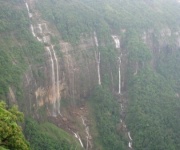
Seven Sisters Falls is the essential starting point, particularly when light rain creates a soft veil around each tier. The standard viewing area gives you a broad composition, but a longer lens can isolate smaller streams between cascades. Fresh runoff also creates movement that is difficult to reproduce digitally. For weather context, compare Sohra versus Mawsynram rainfall before choosing the month that matches your preferred landscape.
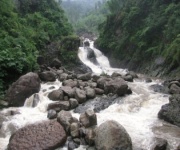
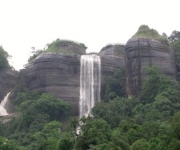
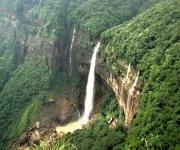
Nohkalikai Falls, Dainthlen Falls and Elephant Falls each offer a different visual rhythm. Nohkalikai provides the deepest gorge and a dramatic sense of scale; Dainthlen rewards closer compositions; Elephant is easier to frame creatively when its flow is lower. These falls can become slippery around their edges, and exposed areas are unsafe during lightning. Avoid chasing a photograph beyond barriers or onto unstable rock for a more dramatic angle.
Australians arriving through Sydney or Melbourne will usually need a connection through a larger Indian city before continuing towards Guwahati and Meghalaya. Build in a rest day, because flights and long road transfers can leave you photographing in poor light. A local driver is generally more useful than navigating isolated roads yourself. Pack a rain cover, microfibre cloths and spare batteries, and choose shoes with grip rather than fashion.
Caves and living root bridges
Arwah Cave provides a memorable change of scene after the open waterfalls. Local guides lead visitors through narrow passages, wet limestone formations and larger chambers illuminated by portable lamps. The darkness and confined space reward patience: underexposed frames with a bright exit or a guide’s silhouette can look more atmospheric than a flash photograph. Follow site rules, wear provided protective equipment and do not enter flooded sections.
Mawsmai Cave is easier to explore and still rewards close observation of ceiling formations, root networks and reflective rock. Small openings admit shafts of daylight that change quickly as clouds pass overhead. A wide phone lens works well here because it captures both the illuminated entrance and surrounding formations. As with Arwah, use an authorised guide where required and check recent conditions after intense rain.
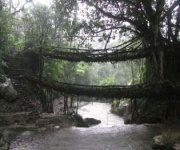
The single-decker living root bridge near Nongriat offers a completely different kind of image. The narrow bridge anchors the composition while the valley recedes into layered green hills. The longer route to the double-decker bridge involves a demanding stair descent, but it rewards travellers who want forest, distant waterfalls and bridge details in one frame. For additional regional travel ideas, Kos 4 Life provides a useful source of broader inspiration. Always ask before photographing residents and never climb on the bridge for a pose.
Village scenes and valley viewpoints
The Peace Pagoda, Wah Kaba viewpoint and Laitlum Canyon give you space, architecture and landscape rather than another close-up of falling water. Early light can leave the pagoda sharply outlined against a pale valley, while late afternoon often adds warmer colour to the surrounding hills. Laitlum is particularly effective after rain, when cloud gathers between its ridges. Wear shoes suitable for a damp trail and allow extra time because paths can become muddy.
Sohra’s local market offers an authentic change of pace. Colourful produce, tea stalls, woven baskets and Khasi snacks provide detail-rich images that make a feed feel less repetitive. Approach people with respect, buy a snack before making pictures and ask permission before turning the camera towards vendors or worshippers. The surrounding villages also reveal everyday life that is easy to miss when travelling only between major cascades.
Wide viewpoints create strong carousels, but smaller details often perform better in single posts. Photograph the pattern of rain on leaves, droplets on a bridge railing, the shadow of a guide’s lamp or steam rising from a tea cup. These images provide visual pauses between sweeping panoramas. They also record the sensory character of Sohra more faithfully, which can give your Instagram feed a clear identity beyond a collection of impressive but similar landscapes.
Choosing the right shot for each spot
A modern phone is more than capable at Sohra, particularly for vertical Stories and Reels. Tap the waterfall to lock exposure, clean the lens frequently and use the rear cameras rather than digital zoom. A compact camera adds useful low-light performance and weather control, but protect it from persistent drizzle. Avoid changing lenses near the falls, since moisture can reach the body when the camera is lowered.
Practical Australian habits make a smooth difference. Carry Australian dollars for comparison with Indian rupees and keep some small rupee notes for markets, guides and remote cafés. Vehicles drive on the left, so a hired car will normally have the steering wheel on the right. Pack a Type I plug adapter, confirm your phone’s roaming or eSIM arrangements and download offline maps before leaving town. Australian passport holders should also check current visa and permitted-activity requirements before departure.
The following comparison matches popular locations with the conditions that produce their most distinctive frames:
| Spot | Best conditions | Signature frame | Practical note |
|---|---|---|---|
| Seven Sisters Falls | Light rain and soft mist | Several tiers appearing to float in cloud | Use a rain cover and stay behind railings |
| Nohkalikai Falls | Fresh runoff in daylight | Water disappearing into the gorge | Gorge edges can be wet and slippery |
| Elephant and Dainthlen | Clearer sky with moderate flow | One cascade framed by dark rock | Flow is usually stronger during monsoon |
| Arwah Cave | Dry guide lamps in a dark chamber | Illuminated limestone beyond a narrow passage | Follow lighting and protective equipment rules |
| Nongriat bridge | Misty forest morning | Bridge and traveller within a wide green valley | Allow extra time for the stair route |
| Laitlum and Peace Pagoda | Golden hour with broken cloud | Pagoda or canyon ridge against warm sky | Check trail conditions and sunset timing |
Photographing after the main rainfall can be more rewarding than waiting through a storm. Clouds often break just as the light turns warm, revealing a waterfall that seemed hidden all day. Stay flexible by keeping one half-day free for weather changes. A fixed itinerary may include every attraction but miss the conditions that make the landscape exceptional.
A practical field checklist for your Sohra camera roll
Start early, but not necessarily at the same time every day. Track sunrise, cloud cover and rainfall through a reliable forecast, then organise nearby locations into one route. Sohra’s distances may look short on a map, yet steep paths, traffic and weather can consume time quickly. Request a local driver familiar with current road conditions.
Use the following checklist when planning each day:
- Arrive before the main crowd for clean frames and safer edges.
- Carry waterproof protection and a lens cloth in every camera bag.
- Allow buffer time for slippery steps and changing weather.
- Ask permission before including residents, vendors or worshippers.
- Combine a wide vista with close details for a varied Instagram feed.
- Check cave access, water conditions and photography rules locally.
- Remove litter and avoid blocking paths for other visitors.
Allow time to revisit a favourite viewpoint rather than photographing every location only once. The same waterfall can change completely between fog, sunlight and heavy runoff, while a village scene often looks different after the midday traffic passes. This is especially useful for creators who want a coherent series rather than unrelated posts.
When you are ready, compare Sohra travel packages and send India Beacons Sojourn a booking enquiry with your preferred travel dates, group size and desired pace. A two-night stay suits the main waterfalls and viewpoints, while a longer itinerary gives you room for caves, Nongriat and slower village stops. Ask the team to build around your interests, including photography, walking comfort, private transfers and the best available seasonal conditions.