





The Most Secluded Caves for a Quiet Exploration Experience
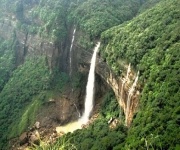
Cherrapunjee, also known as Sohra or Cherrapunji, is celebrated for heavy rain, misty escarpments and dramatic waterfalls. Beneath that green landscape lies another world: limestone chambers, narrow passages, underground streams and caves shaped slowly by Meghalaya’s wet climate. For travellers who prefer stillness to crowded viewpoints, caving can add a slower, more atmospheric dimension to a holiday.
The best cave experiences near Sohra are not always the biggest or most famous. Mawsmai Cave is easy to reach and widely visited, while Arwah Cave and Krem Mawmluh offer a stronger sense of discovery. Some locations require local knowledge, a careful walk and enough time to appreciate small details such as fossils, flowstone and water-worn walls.
Visitors from Australia should approach these sites differently from a maintained tourist cave in Sydney or a marked bushwalking track near Melbourne. Conditions can be slippery, visibility may be limited, and mobile reception is unreliable. A local guide, sensible footwear and a flexible itinerary are valuable, particularly during Meghalaya’s wettest months.
Sohra works well as part of a multi-day Meghalaya holiday, whether you are travelling from Brisbane, Perth, Adelaide or the east coast. The region suits travellers who enjoy nature, photography and quiet outdoor experiences, with accommodation ranging from comfortable resorts to smaller guesthouses. The right cave depends on your fitness, tolerance for confined spaces and appetite for a little adventure.
Why Sohra’s Caves Feel So Different
Meghalaya’s caves are formed mainly in limestone and sandstone landscapes, where rainwater gradually dissolves or cuts through the rock. Sohra receives exceptional rainfall, so water continues to influence the underground environment. You may notice polished walls, damp ledges, mineral deposits, underground pools and roots reaching into cracks from the forest above.
A quiet cave visit is less about rushing towards a dramatic chamber and more about observing the surroundings. Headlamps reveal textures that disappear under a phone torch, while a guide can explain local names, geological features and traditional knowledge. In some caves, the most memorable moments are small: the sound of dripping water, a fossil outline or a sudden shaft of daylight.
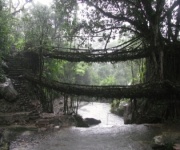
The atmosphere also reflects the Khasi landscape above ground. Villages, forest paths and living root bridges are connected by a strong sense of place, and local guides often know how rainfall has altered a route. Visitors should follow instructions about where to walk, avoid touching formations and carry all rubbish out. These underground environments are fragile and cannot be restored quickly once damaged.
Caves Worth Seeking Near Cherrapunjee
Arwah Cave, also called Arwah Lumshynna, is among the strongest choices for travellers seeking a calmer alternative to Mawsmai. Reaching the cave involves a walk through forest and uneven ground, which naturally reduces casual foot traffic. Inside, the passages contain limestone formations and fossil impressions, with some sections feeling wonderfully secluded when visited early.
The route can be muddy after rain, and the cave is not uniformly lit or paved. That is part of its appeal, but it also means visitors need balance and patience. Allow time for the walk in and out rather than treating Arwah as a quick stop between waterfalls. A guide makes it easier to understand the cave’s layout and avoid entering unsuitable sections.
Krem Mawmluh, close to Sohra, is another rewarding option for experienced visitors. It is known for underground passages and water features, and its character changes with the weather. During a dry period, parts of the route may be more accessible; following heavy rain, water levels and slippery surfaces can make exploration more demanding. It is best arranged with a local operator rather than attempted independently.
Mawsmai Cave remains worth visiting even though it is more popular. Its access is straightforward, and the dramatic rock shapes make it a useful first cave for people who are uncertain about confined spaces. To find a quieter experience, arrive near opening time, avoid weekends and Indian public holidays, and allow larger groups to move ahead. For more specialised caving, travellers can ask about Krem Phyllut or other locally guided sites, where access may depend on current conditions and permission.
When To Go For More Solitude
For the quietest cave visit, timing matters as much as choosing the cave. Early mornings are generally calmer, particularly before coach groups arrive from Shillong or nearby resorts. Weekdays outside school holidays can feel noticeably less busy. Australian visitors travelling during December and January should remember that this overlaps with a popular holiday period in India, so advance booking and flexible scheduling are useful.
The monsoon creates the landscape’s famous waterfalls, but it also brings saturated paths, fast-flowing streams and occasional route changes. June to September can deliver extraordinary scenery, although cave access may be restricted for safety. October to April usually offers more manageable walking conditions, with November to February often appealing to travellers who want cooler air and clearer views.
Rain can arrive at any time in Sohra, even during a generally favourable season. Build a spare morning into a two- or three-night stay so a cave visit can move around a storm. This approach is more practical than trying to fit every attraction into a fixed day, especially for travellers accustomed to planning Australian road trips around reliable driving times.
A cave outing pairs well with nearby waterfalls, viewpoints and forest walks. However, avoid scheduling a strenuous underground route immediately after a long trek. If you are also visiting Rainbow Falls, review this guide on physical trek preparation before travelling, as wet ground and steep paths can place greater demands on ankles and knees than a standard city walk.
Safety And Responsible Cave Exploration
A local guide should be considered essential for lesser-known caves. Guides understand seasonal water movement, unstable sections, narrow squeezes and the safest turnaround points. They may also know whether a cave is currently open, whether village permission is required and which entrance is appropriate for your experience level.
Wear closed hiking shoes with firm grip, lightweight clothing that dries quickly and a small pack that will not catch on rock. A headlamp with spare batteries is preferable to relying on a mobile phone. Pack drinking water, basic first aid, insect repellent and a dry bag for electronics. Cotton jeans can become heavy and uncomfortable when wet, so quick-drying trousers are a better choice.
Visitors from Australia should take the same care they would on a remote Queensland or Tasmanian track, while recognising that local conditions and rescue access are different. Do not enter during intense rainfall, climb beyond marked or guided areas, or separate from your group. Avoid touching formations, disturbing bats or leaving chalk marks. Quiet exploration depends on keeping the cave quiet and intact.
Food and water hygiene also deserve attention. Carry sealed drinking water and use reputable accommodation or tour providers for meals. Basic travel insurance should cover walking and guided outdoor activities, but check the wording rather than assuming every form of caving is included. Share your daily plan with someone at your resort, especially when visiting a site with limited phone coverage.
Planning A Peaceful Cave-Focused Stay
A two-night Sohra stay can cover one main cave, a waterfall and several viewpoints, but three or four nights allows a more relaxed pace. Longer Meghalaya packages can include Shillong, Mawlynnong, living root bridges and additional cave areas without forcing every day into a tight schedule. This is particularly helpful for Australian visitors adjusting to winding mountain roads and slower transfers.
Accommodation near Cherrapunjee ranges from resorts with broad valley views to simple hotels close to the market. Staying locally makes an early start easier and supports small businesses that understand current road and weather conditions. Ask your operator to match the cave to your comfort level, rather than choosing solely by reputation or social media photographs.
| Cave or option | Atmosphere | Access and effort | Best suited to |
|---|---|---|---|
| Arwah Cave | Quiet, natural and atmospheric | Forest walk, uneven cave route | Travellers wanting fossils and solitude |
| Krem Mawmluh | Adventurous and water-shaped | Guided exploration, conditions vary | Experienced visitors comfortable with wet terrain |
| Mawsmai Cave | Dramatic but more visited | Easiest access and established route | First-time cave visitors and families |
| Krem Phyllut | More remote and specialised | Local guidance and current access checks | Caving enthusiasts seeking fewer visitors |
| Guided cave alternatives | Varies by season and location | Permission, transport and guide needed | Flexible travellers with extra time |
Practical recommendations
- Choose Arwah Cave for a balanced combination of forest walking, geological interest and relative quiet.
- Book a qualified local guide for Krem Mawmluh, Krem Phyllut or any cave without a clearly maintained public route.
- Travel with a headlamp, spare batteries, grip-soled shoes and a dry bag rather than relying on phone equipment.
- Schedule cave visits on weekday mornings and keep an alternative activity ready in case of heavy rain.
- Add at least one unplanned half-day to a Sohra itinerary so weather and road conditions do not create unnecessary pressure.
- Use a locally based tour provider that can coordinate permits, transport, accommodation and current safety information.
- Keep the visit low-impact by staying with the group, protecting formations and carrying every item back outside.
A cave-focused holiday can be arranged through Cherrapunjee.net’s local packages, with options from two to seven nights and support for accommodation, sightseeing and transfers. Travellers comparing broader Meghalaya itineraries can also review Meghalaya trip specialists when considering transport and regional planning. Contact India Beacons Sojourn through Cherrapunjee.net to organise a calm, well-supported exploration of Sohra’s underground landscapes.