





A Seven-Night Cherrapunjee Vacation For Deep Exploration
Cherrapunjee, also known as Sohra or Cherrapunji, rewards travelers who slow down. Its famous rainfalls and living root bridges are only part of the experience. Around the plateau, forest trails lead to limestone caves, village viewpoints, sacred groves, misty valleys, and small communities where Khasi traditions remain closely connected to the land.
A seven-night vacation package gives enough time to see the celebrated attractions without turning every day into a race. Instead of collecting quick photographs from roadside viewpoints, travelers can spend several hours on walking trails, allow room for weather changes, and discover quieter corners of Meghalaya alongside the best-known sights.
This longer itinerary is especially suitable for couples, families, photographers, nature lovers, and travelers who want a fuller regional experience. With carefully selected accommodation, local transport, guided excursions, and time for rest, a deep exploration of Sohra can feel adventurous while remaining comfortable and well organized.
Why A Full Week Suits Sohra
The distance between attractions can look modest on a map, yet Meghalaya’s winding roads make journeys slower than expected. A seven-night stay creates a practical rhythm: one major excursion each day, shorter visits nearby, and occasional free periods for relaxation. This approach is more enjoyable than attempting every waterfall and cave in a single packed schedule.
The extra time also makes it possible to explore beyond the central Cherrapunjee circuit. A well-planned vacation may include Shillong, Mawlynnong, Dawki, the Bangladesh border region, and rural villages around Sohra. Each destination has a distinct character, from Shillong’s markets and cafés to the clear river waters near Dawki.
Weather is another reason to choose a longer package. Rain can arrive suddenly, particularly during the monsoon, and heavy showers may affect visibility or walking conditions. With several nights available, the itinerary can remain flexible. If a viewpoint is covered by cloud on one day, it may be revisited when the sky opens.
A Balanced Route Through Meghalaya
The first night is commonly spent in Shillong or near the arrival point, depending on flight and road arrangements. This allows travelers to recover from their journey before continuing to the Cherrapunjee plateau. A short city visit may include Ward’s Lake, Shillong Peak, local markets, or a relaxed evening sampling Khasi and northeastern cuisine.
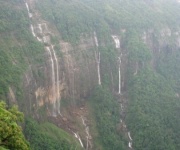
The central nights focus on Sohra’s natural attractions. Nohkalikai Falls, Seven Sisters Falls, Mawsmai Cave, Arwah Cave, and nearby viewpoints can be arranged across several days rather than rushed together. One day may be dedicated to a living root bridge trek, while another explores forest paths and village landscapes around Nongriat or nearby communities.
The final part of the journey can extend toward Mawlynnong and Dawki, subject to road conditions and the selected package. Mawlynnong is known for its village setting and surrounding landscapes, while Dawki offers views of the Umngot River and the Bangladesh border area. Returning to Shillong before departure provides a useful buffer for transport and last-minute shopping.
Waterfalls, Caves, And Living Bridges
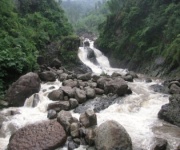
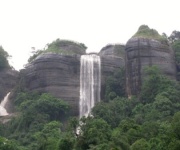
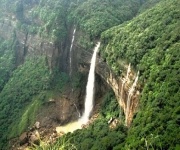
Sohra’s waterfalls are among the strongest reasons to visit. Nohkalikai Falls is particularly striking from its main viewpoint, where water drops into a vivid blue-green pool surrounded by steep cliffs. During the rainy season, the flow becomes powerful and dramatic. Dry-season visitors may see a more delicate cascade, but the surrounding landscape remains impressive.
Mawsmai Cave is accessible and suitable for many first-time cave visitors, with limestone formations and narrow passages close to the main tourist route. Arwah Cave offers a more atmospheric experience through forest terrain and uneven paths. Visitors should wear shoes with reliable grip, carry a small light, and follow local guidance rather than entering restricted or slippery areas.
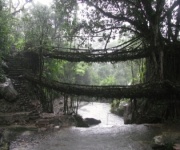
The living root bridges require more physical effort. Created by guiding the roots of rubber fig trees across streams, these structures are examples of long-term Khasi ecological knowledge. The route to Nongriat may involve hundreds of steps, and the return journey can be strenuous. A seven-night itinerary gives travelers the freedom to set a comfortable pace and rest afterward.
| Experience | Time Needed | Physical Effort | Best Feature |
|---|---|---|---|
| Nohkalikai Falls viewpoint | 1–2 hours | Easy | Dramatic canyon scenery |
| Mawsmai Cave | 1–2 hours | Easy to moderate | Accessible limestone passages |
| Arwah Cave trail | 2–4 hours | Moderate | Forest setting and fossils |
| Living root bridge trek | Half to full day | Challenging | Traditional living architecture |
| Mawlynnong visit | Half to full day | Easy to moderate | Village landscapes and viewpoints |
| Dawki and Umngot River | Full day | Easy | River scenery and border-region views |
Scenic Stops Beyond The Main Circuit
A deep-exploration package should leave room for landscapes that are easily missed between major attractions. Small roadside viewpoints can reveal layered hills, cloud-filled valleys, and distant plains. The scenery changes quickly as the road moves between forest, open plateau, farmland, and steep escarpment.
Sunset is especially rewarding when the western horizon is clear. The Bangladesh plains may appear as a broad, hazy expanse beneath the Meghalaya plateau, creating a memorable contrast with the darker ridges in the foreground. Travelers can plan an evening around one of the region’s most scenic overlooks by exploring the best places to watch the sunset before choosing a viewpoint based on weather and access.
Other worthwhile stops may include local markets, small churches, botanical areas, forest reserves, and village lanes. Some attractions are best experienced with a local guide who can explain plant uses, community customs, oral history, and the environmental importance of the surrounding forests. These encounters add cultural depth to a holiday centered on scenery.
Photography is often best in the early morning and late afternoon, when the light is softer and mist gives the hills greater dimension. Travelers should avoid treating villages or people as photo props. Asking permission, respecting private spaces, and supporting local cafés, guides, and craft sellers helps keep tourism beneficial to the communities visited.
Where To Stay For A Comfortable Journey
Accommodation can shape the entire experience. Resorts near Sohra are convenient for waterfall excursions and provide a peaceful base after long walks. Hotels in Shillong offer easier access to restaurants, shops, and transport connections, while smaller guesthouses may provide a more personal connection to local life.
A well-designed package may combine different types of stays rather than placing travelers in one location for the whole trip. For example, two nights in Shillong, several nights around Cherrapunjee, and a final night near the departure route can reduce unnecessary driving. The right arrangement depends on arrival time, preferred comfort level, and the number of excursions included.
Travelers should check whether the package includes breakfast, transfers, sightseeing vehicles, guides, entry fees, and meals outside the hotel. Room heating, hot water, mobile connectivity, and backup power can vary by property, particularly in remote areas. Confirming these details before booking prevents confusion during the journey.
Planning Around Weather And Activity Levels
Cherrapunjee is famous for heavy rainfall, but conditions vary by season. The monsoon brings full waterfalls, deep green vegetation, and dramatic cloud formations, yet trails may become muddy and some routes may be temporarily unsuitable. The post-monsoon months often offer clearer views and comfortable conditions for outdoor exploration.
Winter can provide crisp air and better visibility, although mornings and evenings may feel cold. Summer is generally pleasant for sightseeing, with occasional showers and changing cloud cover. No season guarantees identical conditions, so flexible scheduling remains valuable throughout the year.
Travelers should assess their fitness honestly before selecting demanding excursions. The living root bridge trek, long cave walks, and uneven forest trails can be tiring even for active visitors. A reputable local operator can adjust the pace, arrange suitable guides, and recommend alternatives when a route is unsafe or unsuitable.
What To Bring For A Seven-Night Stay
Packing for Meghalaya requires a balance between comfort, weather protection, and light luggage. Quick-drying clothing is more practical than heavy cotton, while a waterproof day bag protects phones, cameras, documents, and medication during sudden rain. Layering is useful because temperatures can change between valleys, open viewpoints, and forest paths.
A few carefully chosen items make outdoor days easier:
- Waterproof walking shoes with strong grip
- A compact rain jacket, poncho, or umbrella
- Quick-drying clothes and warm layers for evenings
- Reusable water bottle, sunscreen, insect repellent, and personal medication
- Small flashlight, power bank, and waterproof phone or document pouch
Travel documents should remain secure throughout the trip. International visitors need valid passports, appropriate Indian visas, and any required permissions or registration documents. Domestic travelers should carry accepted identification. It is also wise to keep digital and printed copies of bookings, emergency contacts, insurance information, and transport details.
Making The Most Of A Longer Package
The strongest seven-night itineraries combine signature attractions with unstructured time. A morning at a waterfall can be followed by a leisurely lunch, a short village visit, or an evening at the resort rather than another long drive. This balance leaves travelers with energy for the next day and creates space for spontaneous discoveries.
Local food is another important part of the experience. Khasi dishes may include rice, smoked meats, seasonal greens, bamboo shoot preparations, and regional spices. Travelers with dietary restrictions should communicate them before arrival, especially when staying in smaller properties where menus may be limited.
Booking through an operator familiar with Cherrapunjee can simplify vehicle coordination, accommodation selection, route planning, and local guidance. A package designed around seven nights should clearly state what is included, identify optional activities, and account for road conditions and seasonal changes rather than promising an inflexible schedule.
A carefully planned Cherrapunjee vacation turns a short list of attractions into a richer journey through Meghalaya’s forests, villages, caves, waterfalls, and highland viewpoints. Explore the available seven-night arrangements at Cherrapunjee.net and begin planning a route that gives every major experience the time it deserves.