





Adventure sports operators worth knowing in Sohra
Sohra, widely known as Cherrapunji or Cherrapunjee, is Meghalaya’s great outdoor playground. Rain-fed cliffs, limestone caves, forest trails, dramatic waterfalls and living root bridges create a setting for walking, caving, canyon exploration and other active experiences. The best local operators turn that raw landscape into a manageable itinerary without taking away its sense of discovery.
For Australian travellers, Sohra is a very different proposition from a guided walk in the Blue Mountains or a canyoning day in the Grampians. Trails may be slippery, mobile coverage can disappear, weather can change in minutes and facilities are often basic outside town. A reputable operator supplies local knowledge, realistic timings and the right safety decisions.
Adventure providers in the area range from established resorts and destination-management companies to specialist guides and community-based groups. Some concentrate on sightseeing packages with short walks, while others arrange serious caving, long-distance trekking and access to remote villages. The right choice depends on fitness, experience, season and how much time you have in Meghalaya.
The names below are a practical starting point rather than a permanent ranking. Activities, guides and operating conditions can change with the monsoon, forest permissions and local access rules. Confirm the current programme, inclusions, transport and safety arrangements before paying a deposit.
India Beacons Sojourn for organised Sohra travel
India Beacons Sojourn, the company behind Cherrapunjee.net, is a useful choice for travellers who want adventure activities built into a complete Meghalaya holiday. Its packages cover multi-day stays of roughly two to seven nights, making it easier to combine Sohra’s caves and waterfalls with Shillong, Mawlynnong, Dawki or other destinations.
This style of operator suits visitors flying from Australia who may prefer one coordinated booking instead of arranging every taxi, hotel and guide separately. A package can include transfers, accommodation, sightseeing and selected outdoor activities, with the itinerary adjusted around arrival times and weather. It is particularly practical for couples, families and small private groups.
The main advantage is local trip planning. A guide who understands road conditions can place a waterfall visit early in the day, allow extra time for a cave or root-bridge walk, and avoid trying to cover too many distant attractions in one afternoon. Ask specifically which activities are guided, whether entrance fees are included and what level of walking is expected.
Cherrapunjee Holiday Resort and activity-based stays
Cherrapunjee Holiday Resort is one of the better-known accommodation providers in the Sohra area and has long been associated with outdoor experiences. A resort-based arrangement can work well for travellers who want a comfortable base, local meals and activities organised through staff familiar with nearby trails and attractions.
Depending on current conditions, resort programmes may include guided walks, village visits, cave outings, waterfall excursions and other nature activities. The convenience is valuable during the wet season, when a local team can advise whether a route is sensible on a particular day. It also reduces the need to travel back and forth from Shillong for every activity.
Travellers should distinguish between an activity arranged by a resort and a specialist technical expedition. Ask who leads the excursion, how many guests are in the group, whether helmets and torches are supplied, and whether transfers reach the trailhead. For a family or first-time visitor, a short guided walk may be a better fit than an ambitious full-day route.
Meghalaya Adventurers for specialist outdoor activities
Meghalaya Adventurers is associated with the state’s organised caving and outdoor culture. Specialist groups of this kind are a strong option for travellers whose main purpose is exploration rather than general sightseeing. Their local expertise is most valuable in limestone terrain, where route-finding, water levels and cave conditions can change quickly.
Caving in Sohra is not simply a matter of walking into a large, illuminated tourist attraction. Some caves involve low passages, mud, underground streams and awkward descents. A beginner should read this caving guide before choosing an excursion, then discuss fitness, claustrophobia, footwear and previous experience with the operator.
A specialist provider should explain the difficulty honestly and provide appropriate equipment, including helmets and reliable lights. Never assume that a smartphone torch is an adequate backup. In wet weather, a route that was straightforward the previous week may become unsafe, so responsible guides retain the authority to shorten or cancel a trip.
Community guides and local trekking teams
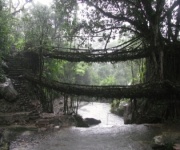
Some of the most rewarding outdoor days in Sohra are led by local guides rather than large branded adventure companies. Village-based teams can arrange walks to living root bridges, forest viewpoints, lesser-known cascades and traditional settlements. They often bring knowledge of footpaths that do not appear clearly on online maps.
Local guiding also helps money stay within the communities visited. A guide may explain how a root bridge is cultivated over generations, where water is collected, or why a particular forest route is used seasonally. Those details give a walk more meaning than a rapid stop at a viewpoint followed by a return to the vehicle.
Quality varies, so booking through a recognised hotel, travel company or established local contact is sensible. Confirm the meeting point, guide language, duration and transport arrangements in advance. Carry water, rain protection, a small first-aid kit and enough cash for village areas, where Australian cards and mobile payments may not work reliably.
Operators for waterfalls, viewpoints and river country
Many visitors describe their Sohra trip as an adventure holiday even when the activities are moderate: descending to a waterfall, crossing a forest trail or exploring a dramatic escarpment can be physically demanding. A good operator plans these outings around daylight, road time and the season rather than promising every attraction in a single day.
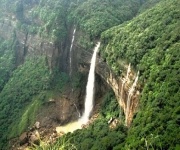
Nohkalikai Falls is a clear example. The main viewpoint is accessible, but nearby walks and local routes require different levels of effort. Before travelling, read how to visit Nohkalikai Falls with attention to timing, weather and respectful behaviour. A local driver-guide can help avoid the busiest periods and explain which stops are genuinely worth adding.
Adventure providers may also arrange visits towards Dainthlen Falls, Wei Sawdong, Mawsmai Cave, Arwah Cave and the Seven Sisters Falls area. Conditions differ greatly between these places. Some involve steep steps, slick rock or long approaches, while others are primarily scenic stops. Ask for a day plan with approximate walking distances instead of relying on broad labels such as “waterfall tour”.
Choosing a provider from Australia
An Australian traveller should think about the journey in stages. Most international visitors reach India through a major hub, then continue to Guwahati or Shillong before travelling by road to Sohra. Connections from Sydney, Melbourne, Brisbane, Perth or Adelaide can make the first day long, so scheduling a gentle arrival day is wiser than booking a strenuous cave trip immediately after landing.
Australian bushwalking experience is useful, but it does not automatically prepare someone for Meghalaya. A familiar trail around the Dandenong Ranges, the Blue Mountains or Tasmania’s national parks may be well signposted and have established emergency systems. Sohra trails can be less formal, with slippery limestone, exposed steps and limited rescue infrastructure. Tell the operator your actual fitness level rather than simply saying you are an experienced hiker.
Check visa requirements for India before departure and carry passport copies, travel insurance details and any required permits. An Australian passport holder generally needs the correct Indian visa or e-Visa before travel, subject to current rules. Travel insurance should cover trekking, caving or other activities you plan to undertake, because standard policies may exclude adventure sports or motorcycle travel.
What a dependable operator should provide
A reliable Sohra operator communicates clearly before the trip. You should receive the name or description of the activity, duration, meeting arrangements, inclusions, exclusions and cancellation terms. For caving and more remote trekking, ask about guide qualifications, group size, protective equipment, first aid, emergency contacts and the procedure if heavy rain makes the route unsafe.
Transport deserves particular attention. Roads around Sohra can be winding and slow, and an itinerary that looks short on a map may take several hours. A responsible company uses an appropriate vehicle, does not overload the schedule and allows time for monsoon delays. If a package includes a private car, confirm whether the driver remains with the group or only provides point-to-point transfers.
Good operators also respect local customs and the environment. Dress modestly when visiting villages, ask before photographing people, follow instructions near sacred or community-managed sites and take rubbish back with you. Avoid providers who encourage visitors to climb barriers, enter closed caves or swim in dangerous waterfall pools simply to create a more dramatic experience.
For most visitors, the strongest choice is a provider that matches the pace of the trip. Families may prefer resort-based excursions and short forest walks. Active couples may choose a package with caves, root bridges and waterfalls. Experienced outdoor travellers can seek specialist caving or longer trekking, provided the guide confirms that the season and conditions are suitable.
Cherrapunjee.net can help turn those preferences into a practical itinerary through India Beacons Sojourn. Review the available Sohra holiday packages, identify the activities that interest you and contact the team with your travel dates, group size and preferred comfort level. Early planning is especially useful during the monsoon and peak Indian holiday periods, when rooms, vehicles and experienced guides are in high demand.