





The Ultimate 7-Day Meghalaya Tour Including Cherrapunjee
Meghalaya rewards travelers who allow time for the landscape to unfold. Cloud-covered hills, limestone caves, forest trails, dramatic waterfalls, and villages connected by living root bridges create a journey that feels far removed from India’s busiest tourist circuits. A week gives you enough time to combine Shillong’s culture with the extraordinary natural scenery around Cherrapunjee, also known locally as Sohra or Cherrapunji.
This seven-day Meghalaya itinerary is designed for a balanced holiday rather than a rushed checklist. It includes viewpoints and waterfalls, but also leaves room for walks, local food, quiet village roads, and weather-related changes. Cherrapunjee is the central experience, while Shillong, Mawlynnong, Dawki, and nearby attractions add variety to the route.
Travel times in Meghalaya can be longer than distances on a map suggest. Winding roads, rain, photography stops, and short hikes all shape the day. A private vehicle with a local driver is usually the most comfortable choice, particularly for families, couples, and travelers carrying luggage.
Why This Route Works
Shillong is a practical starting point for a Meghalaya vacation because it has the region’s main airport connections, transport links, hotels, restaurants, and sightseeing facilities. From the city, the road to Sohra passes through rolling hills, small settlements, forested stretches, and viewpoints overlooking the plains of Bangladesh. The change in scenery makes the transfer itself part of the experience.
Cherrapunjee deserves at least two or three nights. Its attractions are spread across a large area, and many require walking. Staying nearby means you can reach popular sites early, avoid packing and unpacking every day, and experience the cool, misty atmosphere after day visitors have departed.
The itinerary also includes a full day toward Dawki and Mawlynnong. These destinations offer a different side of Meghalaya, with the clear waters of the Umngot River, borderland scenery, village paths, and carefully maintained surroundings. Depending on road conditions and your interests, the final days can be adjusted toward more caves, waterfalls, or cultural visits.
Days One And Two In Shillong
Arrive in Shillong on the first day and settle into your hotel before exploring at an easy pace. If you arrive early, visit Ward’s Lake, stroll through Police Bazaar, or enjoy a panoramic view from Shillong Peak. The Don Bosco Museum is a strong choice for travelers who want context about the cultures, textiles, architecture, and traditions of Northeast India.
Keep the first evening relaxed. Shillong’s altitude and winding approach roads can make the arrival day tiring, especially after a flight or long road journey. A local restaurant can introduce you to Khasi flavors, including rice-based meals, seasonal vegetables, smoked preparations, and regional pork dishes for those who eat meat.
Use the second day for a broader Shillong excursion. Elephant Falls, Shillong Peak, Lady Hyderi Park, and Laitlum Canyon can be combined according to weather and opening times. Laitlum is especially appealing when clouds lift, revealing deep green valleys and distant ridges. The view can change within minutes, so do not treat a cloudy morning as a lost opportunity.
Before leaving Shillong, confirm your vehicle, route, and accommodation in Sohra. The practical details of the drive are explained in this guide to reaching Cherrapunjee, which is useful when comparing private transfers, shared taxis, and road-based travel arrangements.
Days Three And Four Around Cherrapunjee
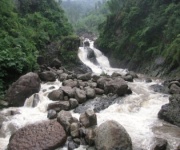
Begin day three after breakfast and travel from Shillong to Cherrapunjee. Along the way, stop at viewpoints and roadside locations that offer wide views across the hills and plains. Depending on your departure time, you may visit Mawkdok Dympep Valley, where a dramatic gorge and surrounding cliffs create one of the memorable photo stops on the route.
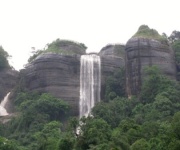
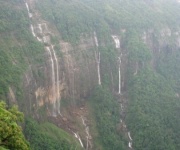
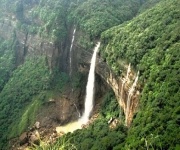
After checking in, explore nearby highlights such as Nohkalikai Falls, Mawsmai Cave, and the Seven Sisters Falls viewpoint. Nohkalikai is one of the most recognizable waterfalls in Meghalaya, dropping into a vivid blue-green pool below a forested escarpment. Its appearance varies with the season: monsoon months bring tremendous volume, while drier periods may offer clearer views of the plunge pool.
Mawsmai Cave is a manageable introduction to Meghalaya’s limestone formations. The passage is short compared with deeper cave systems, but narrow sections and uneven surfaces make sturdy footwear important. If rain or crowds affect the schedule, use the afternoon for a relaxed resort stay, a village walk, or a visit to another nearby viewpoint.
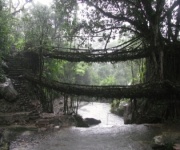
Day four should focus on the living root bridges and forest landscapes. The trek to the Double Decker Living Root Bridge at Nongriat involves a long descent and an equally demanding climb back, with hundreds of steps along the route. It is a rewarding full-day outing for travelers with reasonable fitness, but it should not be treated as a casual short walk. Begin early, carry water, and allow time for rest.
Those seeking a less strenuous experience can choose a shorter root bridge walk or visit viewpoints and waterfalls closer to the main road. Your driver or local guide can help match the trail to your fitness, weather conditions, and available daylight.
| Day | Base | Main experiences | Suggested pace |
|---|---|---|---|
| One | Shillong | Arrival, Ward’s Lake, local market | Easy |
| Two | Shillong | Shillong Peak, Elephant Falls, Laitlum Canyon | Moderate |
| Three | Cherrapunjee | Scenic drive, Nohkalikai Falls, Mawsmai Cave | Moderate |
| Four | Cherrapunjee | Nongriat and Double Decker Living Root Bridge | Full day |
| Five | Cherrapunjee | Waterfalls, caves, village landscapes | Flexible |
| Six | Cherrapunjee or Shillong | Dawki, Mawlynnong, or return toward Shillong | Long day |
| Seven | Shillong or Guwahati | Departure transfer | Easy |
Waterfalls, Caves, And Slow Travel
Day five provides valuable flexibility. Cherrapunjee has far more attractions than can comfortably fit into a single sightseeing circuit, so use this day for places missed earlier or for a slower exploration of the plateau. Arwah Cave is a good option for travelers interested in natural formations and a forested approach, while additional waterfalls and viewpoints can be selected based on seasonal flow.
The monsoon transforms Sohra into a land of streams and falling water, but heavy rain can reduce visibility, make trails slippery, and affect road travel. During the drier months, some waterfalls may be less powerful, yet walking conditions and viewpoints can be more comfortable. This is why a flexible schedule is more useful than a rigid promise to visit every attraction.
A local village visit can make the day more meaningful. Look for opportunities to learn about Khasi homes, farming, food, and community life without turning residents into a spectacle. Ask before taking photographs, purchase locally made products when available, and follow guide instructions around sacred groves, private land, and forest paths.
Accommodation in Sohra ranges from resorts and hotels to smaller guesthouses. A property with an outlook, warm bedding, reliable meals, and convenient road access may be more valuable than one offering a long list of facilities. Rainy evenings are part of the Cherrapunjee experience, so plan for time indoors as well as outdoor sightseeing.
Dawki, Mawlynnong, And The Eastern Hills
Day six can be the longest day of the trip, linking Cherrapunjee with Mawlynnong and Dawki before returning to Shillong or staying in the Sohra area, depending on your arrangements. Mawlynnong is known for its village paths, gardens, and bamboo structures. The destination is best enjoyed respectfully, with attention to local rules and community spaces rather than simply arriving for photographs.
Dawki sits near the international border and is famous for the Umngot River. In favorable conditions, the water can appear remarkably clear, and boating offers a peaceful way to appreciate the surrounding hills. River conditions change with weather and season, so boating availability and water clarity should never be assumed. Carry identification and follow instructions in border-sensitive areas.
The return drive may take longer than expected because of road traffic, weather, and the number of stops. Travelers who prefer a less demanding day can choose either Mawlynnong or Dawki instead of attempting both. Another option is to spend the night near Shillong after the excursion, reducing pressure on the final departure day.
For a seven-day package, this day can be customized around your priorities. Nature lovers may favor the river and forest roads, while travelers interested in photography may prefer village architecture and changing mountain light. Families may benefit from reducing the number of transfers and choosing shorter walks.
Practical Planning For A Comfortable Trip
The best season depends on the type of experience you want. The monsoon, broadly from June through September, brings the lushest scenery and impressive waterfall flow, though it also brings rain-related delays. October to April generally offers more comfortable walking and clearer conditions, with cooler nights in the hills. Weather patterns can vary, so pack for sudden changes at any time of year.
Carry a waterproof jacket, quick-drying clothes, good walking shoes with grip, spare socks, a small daypack, sunscreen, insect repellent, personal medication, and a reusable water bottle. A dry bag or waterproof phone pouch protects electronics during waterfall visits and rainy drives. Light layers are more practical than a single heavy garment.
Foreign visitors should check current Indian visa requirements before booking flights, including rules that may apply to nationality, entry point, and length of stay. Travel documents, hotel details, and identification should be kept accessible. Indian travelers should also carry valid photo identification, especially on longer road journeys and near border areas. Requirements can change, so verify official guidance before departure.
Use the site’s travel information directory to review accommodation, attractions, local guidance, and related planning resources. Booking through an experienced Meghalaya tour operator can simplify vehicle arrangements, hotel coordination, route changes, and local support, particularly during the rainy season or for travelers visiting the region for the first time.
Smart Choices For The Week
- Reserve accommodation in advance for weekends, holidays, and the peak autumn and winter travel period.
- Keep at least one flexible sightseeing block for rain, road delays, or a spontaneous village and waterfall stop.
- Choose comfortable footwear with strong traction for caves, forest paths, steps, and wet viewpoints.
- Confirm whether meals, transfers, entry fees, guides, boating, and local activity costs are included in your package.
- Leave Shillong or Guwahati with enough time before a flight, since hill-road traffic can be unpredictable.
Turn The Itinerary Into A Meghalaya Holiday
A well-planned week in Meghalaya should feel varied without becoming exhausting. Shillong provides an urban base and cultural perspective, Cherrapunjee supplies the signature waterfalls, caves, root bridges, and cloud-wrapped scenery, while Mawlynnong and Dawki extend the journey into river valleys and eastern hill communities.
The route can be arranged as a two-night, three-night, or longer package depending on your arrival point and interests. Couples may prefer scenic resorts and private walks, families may need shorter hikes and simpler transfers, and experienced trekkers can dedicate more time to Nongriat or additional cave trails. Discuss these preferences before confirming the itinerary so each day matches the travelers in your group.
Start planning your seven-day Meghalaya escape with Cherrapunjee at its heart, and contact India Beacons Sojourn through Cherrapunjee.net for available tour packages, accommodation options, transport arrangements, and booking assistance.