





The Ultimate Guide to the Kynrem Falls Trekking Path
Kynrem Falls is one of the most rewarding short walks around Sohra, the destination widely known as Cherrapunji. Set among Meghalaya’s rain-soaked hills, the three-tiered waterfall drops through dense forest and rocky country near Thangkharang Park. The route combines a scenic viewpoint with a more adventurous trail experience, making it a strong choice for travellers who want more than a quick roadside photo.
For Australians, the walk is best approached as a wet-weather bushwalk rather than a casual city attraction. Conditions can change quickly, tracks may be muddy or uneven, and facilities are limited once you leave the main visitor areas. With sensible preparation, a local guide and enough time to enjoy the landscape, the Kynrem Falls trekking path becomes a memorable part of a Meghalaya holiday.
Where Kynrem Falls Sits In Sohra
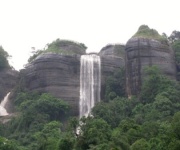
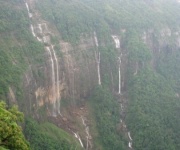
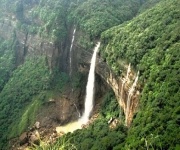
Kynrem Falls lies in the Cherrapunji region of Meghalaya, close to Thangkharang Park and roughly a short drive from the main Sohra township. The waterfall is celebrated for its height and its three distinct drops, which become especially dramatic during and after the monsoon. From suitable viewpoints, the falls appear to plunge through layered green hills and deep valleys.
The surrounding landscape is typical of the Khasi Hills: steep slopes, exposed rock, thick vegetation and narrow village roads. This is not a manicured national-park walk with signs at every turn. Access conditions can vary, and the final approach may involve rough ground, wet steps, natural surfaces or sections that feel more like a local footpath than a formal hiking track.
Many visitors combine Kynrem Falls with Thangkharang Park, Mawsmai Cave, Nohkalikai Falls or a living root bridge excursion. That approach works well for Australian visitors on a multi-day Meghalaya itinerary, particularly if they are staying in Sohra and using a private car with a local driver.
What The Trek Is Really Like
The Kynrem Falls trek is generally a short-to-moderate outing rather than a full-day expedition. The exact walking time depends on the access point, weather, trail condition and how far you follow the path towards the falls. Some travellers may spend less than an hour walking, while others take longer to explore viewpoints and surrounding forest.
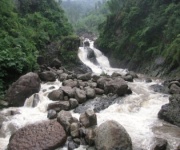
Expect uneven terrain, slick stones, exposed roots and muddy patches. During the wet season, water can run across the track and visibility may be reduced by mist. The final sections can be more demanding than they look from the road, especially for anyone wearing smooth-soled trainers or carrying a heavy day pack.
The trail rewards a slower pace. Listen for rushing water before the falls come fully into view, watch how the forest changes around the rock faces and allow time for photographs without stepping close to unstable edges. A local guide is valuable because access points are not always obvious, and a guide can explain village customs, seasonal conditions and safer routes.
Choosing The Best Time To Go
The monsoon months bring the greatest volume to Kynrem Falls. Meghalaya receives extraordinary rainfall, and the waterfall can become powerful and spectacular from June into September. This is also when the path is most slippery, visibility can shift rapidly and heavy rain may interrupt road travel.
October to November often provides a useful balance between strong water flow and more manageable walking conditions. The landscape remains green, while skies may open for longer periods. December to February is generally cooler and more comfortable for trekking, although the waterfall may have less force than it does during the wettest months.
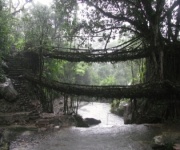
Travellers planning a broader Meghalaya trip may want to pair the falls with other seasonal experiences. For example, the appearance of forest trails and living root bridges changes through the year, and this guide to the living root bridges can help with timing a wider itinerary.
For Australians escaping winter in Melbourne, Hobart or Canberra, Sohra’s cool, wet climate can feel refreshing but unfamiliar. Pack for rain even when the morning looks clear. A forecast for “light showers” in the hills can still mean a very wet track by lunchtime.
Getting There From Australia And Sohra
Most Australian visitors will fly to India through a major hub such as Singapore, Kuala Lumpur, Bangkok or Delhi, then continue towards Guwahati. Guwahati is the most practical gateway for many Meghalaya itineraries. From there, the drive to Sohra takes several hours depending on traffic, roadworks and stops.
Shillong is closer to Sohra and may suit travellers who are already visiting Meghalaya, but flight availability and connections can be less convenient than Guwahati. A private vehicle with a local driver is usually the easiest way to reach Kynrem Falls, particularly when combining it with several attractions in one day.
Australian travellers should arrange the appropriate Indian visa before departure and keep passport copies, accommodation details and travel insurance information accessible. It is worth checking that insurance covers trekking, wet-weather activities and transport on remote roads rather than assuming standard holiday cover will apply.
Road travel in Meghalaya can be winding and slow. The distance may look modest on a map, but mountain roads, village traffic and monsoon conditions change the timetable. Treat the drive like a full travel experience rather than trying to squeeze too many sights into a tight schedule. Australians used to quick runs between Sydney and the Blue Mountains may need to reset expectations here.
Safety, Guides And Trail Etiquette
A guide is strongly recommended if you plan to walk beyond the main viewing areas. Local knowledge helps with route-finding and gives you a better understanding of which sections are safe after rain. Guides can also advise when the river is running too strongly or when a particular descent should be avoided.
Do not climb over barriers, stand on wet cliff edges or attempt to cross fast-moving water for a photograph. Keep your phone and camera in a dry pouch, and use a trekking pole if you are uncertain on slippery ground. Mobile coverage can be inconsistent, so tell your driver or accommodation provider where you intend to walk.
Wear shoes with aggressive grip and ankle support. Sandals may be fine for a viewpoint but are poorly suited to muddy slopes. Australians who regularly bushwalk around the Dandenong Ranges, Lamington National Park or the Blue Mountains will recognise the basic principle: the trail may be short, but wet rock deserves the same respect as a longer route.
Local communities deserve careful treatment. Ask before photographing residents, homes or ceremonies, stay on established paths where possible and take rubbish back with you. Avoid loud music and do not leave food packaging near the waterfall. The same Leave No Trace habits that work in national parks around Australia are appropriate in Meghalaya.
What To Pack For A Wet Mountain Trail
A compact day pack is enough for most visitors, provided it protects essential items from rain. Carry drinking water, a small first-aid kit, insect repellent, a lightweight rain jacket and a dry bag for your passport, phone and wallet. Quick-drying clothing is more practical than denim, which can become heavy and uncomfortable when soaked.
Humidity can be intense, but the highland climate may feel cool when wet and windy. Bring a warm layer for the drive back to Sohra, especially between November and February. A hat and sunscreen are still useful when cloud cover is thick, since exposed viewpoints can produce unexpected sunburn.
Practical Packing Recommendations
- Wear grippy walking shoes with soles suitable for mud and wet stone.
- Carry a waterproof phone pouch and a small power bank.
- Pack a light fleece or warm layer for misty, cooler conditions.
- Bring snacks, drinking water and any personal medication.
- Keep a spare pair of socks and a dry shirt in the vehicle.
- Use a reusable bottle and take all rubbish back with you.
Food and drink options near the trail may be limited, so do not rely on finding a café at the waterfall. Local restaurants in Sohra can provide a better chance to try Khasi flavours, rice dishes, vegetables and meat preparations after the walk. Carry modest cash in Indian rupees because smaller vendors and rural stops may not accept international cards or digital payments.
Planning Kynrem Falls With A Meghalaya Package
Kynrem Falls works best as part of a carefully paced Sohra itinerary. A day that includes the waterfall, Thangkharang Park and one nearby attraction can be enjoyable. Adding too many caves, viewpoints and long walks may turn the day into a rushed sequence of car stops, particularly in the rainy season.
Cherrapunjee.net offers Meghalaya holiday planning with packages ranging from two to seven nights, allowing travellers to match the trip to their available annual leave. Longer stays are useful for visitors flying from Australia because they reduce the pressure to see everything in a single day and leave room for weather disruptions.
The comparison below gives a practical sense of how different travel styles may suit the walk:
| Travel style | Best for | Main advantages | Points to consider |
|---|---|---|---|
| Short viewpoint visit | Tight itineraries | Easy to combine with nearby sights | Limited time on the trail |
| Guided trail outing | First-time visitors | Better route knowledge and safety support | Requires arranging a local guide |
| Private-car day trip | Couples and families | Flexible stops and comfortable transfers | Road travel can take longer than expected |
| Multi-day Sohra stay | Slow travellers | More weather flexibility and deeper exploration | Requires additional accommodation nights |
| Monsoon-focused visit | Waterfall enthusiasts | Strongest flow and lushest scenery | Slippery tracks and possible travel delays |
For booking support, accommodation selection and transport planning, India Beacons Sojourn can help organise a route around the walking conditions and your wider Meghalaya plans. This is particularly useful for Australian travellers who want the convenience of a package while keeping time for local experiences rather than following a rigid sightseeing schedule.
A well-planned visit to Kynrem Falls should leave space for rain, rest and unexpected viewpoints. Start early, confirm the trail condition locally and avoid treating a promised travel time as a guarantee. With good footwear, a dry bag and a knowledgeable guide, this spectacular corner of Sohra is ready to reward curious walkers.
Plan your Cherrapunjee escape with a suitable stay, reliable local transport and a Kynrem Falls itinerary arranged around the season. Contact Cherrapunjee.net for Meghalaya tour and vacation package information from two to seven nights.