





Driving yourself around the Sohra region
Self-driving around Sohra, also known as Cherrapunji or Cherrapunjee, gives Australian visitors access to waterfalls, caves and forest roads at their own pace. It also demands a different rhythm from the marked motorways and predictable merges familiar around Sydney, Melbourne or Brisbane. Distances are short on the map, yet steep bends, livestock, narrow bridges and monsoon rain can turn a short hop into a slow and careful journey.
The East Khasi Hills sit around 1,500 metres above sea level, and road conditions change quickly with the weather. A sensible drive combines a suitable vehicle, realistic timing, current local advice and a fallback driver for the days when a mountain road is not worth attempting. Cherrapunjee.net’s resort and holiday information is a useful companion for this planning.
Choose the right vehicle and confirm your paperwork
Most self-drive visitors pick up a car in Shillong, where rental choice and availability are better than in Sohra. A compact SUV or crossover with decent ground clearance is a practical choice; a small hatchback can work on the main tourist roads in dry weather. Four-wheel drive may help on rough approaches, but it does not remove the need for low speeds and sound judgement. Inspect the tyres, brakes, spare wheel, jack and lights before leaving town.
Ask the rental company whether the car is right-hand drive, and make sure you are comfortable with that layout. Automatic transmission is easier for prolonged hill driving, while a manual gives more control on steep sections if you are experienced with one. Download offline maps for Sohra and the areas you plan to visit, because mobile coverage becomes inconsistent beyond the main settlements.
For licence and entry formalities, carry your valid Australian driver’s licence, an International Driving Permit, your passport and the appropriate tourist visa. Some rental firms require the permit as well as the home licence, and the International Driving Permit is valid only alongside the original. Check any restricted-area permission for the exact route near the Bangladesh border. Confirm third-party insurance, collision coverage, the excess and roadside assistance before signing.
Settle into Indian road rules and hill driving
Traffic travels on the left in India, as it does in Australia, but the similarity ends quickly. Most Indian cars are right-hand drive, and lane markings may be faint or interrupted. Expect buses, motorcycles, delivery vehicles and farm animals to occupy more of the road than you would encounter in a typical Australian city. Keep your distance, watch for vehicles edging around obstacles, and never assume an indicator means the driver will actually turn.
Single-lane bridges deserve particular attention. Read any signs and yield according to local instructions, often allowing traffic already on the bridge or descending towards you to pass. Where the bridge has no sign, wait for a safe opportunity instead of meeting an oncoming vehicle halfway. The same rule applies to blind bends: no stopping for photographs unless you can pull completely off the carriageway.
Australian road laws are strict on seat belts and handheld phones, and states generally set a 0.05 blood alcohol limit for fully licensed drivers, with zero limits for many learner and provisional drivers. In Sohra, park the phone, wear a belt on every journey and treat any alcohol limit as a zero-alcohol rule for drivers. Slow for rumble strips, children and animals, and allow substantially more time than the map suggests.
Plan around monsoon rain and road closures
The wettest period usually runs from May or June into September, when intense rain can bring landslides, water over the road and almost no visibility. October to April generally offers easier driving, although winter mornings can be cold and misty. Check the forecast and the latest highway condition reports before each departure, particularly for the Shillong–Dawki corridor and roads towards Nongriat. A map application cannot show a landslide that has closed the route.
If you land in Shillong late, stay there overnight rather than starting your first Sohra drive after dark. Allow roughly 2.5 to 3.5 hours for the airport journey when roads are open, with more time during the monsoon. Avoid driving through heavy rain simply to meet a flight or hotel check-in deadline.
Fill the tank before leaving Sohra, carry food and water, and download the route in advance. Indian fuel pumps usually have an attendant who calculates the bill in rupees. Petrol and diesel are widely available, but a foreign card, PIN or payment app may fail, so keep small currency notes. The same applies to tolls: FASTag is used on many national highway toll roads, and a rental vehicle should have an active tag with sufficient balance. This differs from the electronic toll setup you may use in Sydney or Melbourne.
Festivals can add processions, roadside crowds and temporary road closures around Shillong and nearby communities. Reading about festival travel expectations before booking transport gives you time to allow for a changed route rather than following crowds into a blocked lane. Keep the local police number and the nationwide emergency number, 112, saved in your phone.
Build a realistic waterfall and cave itinerary
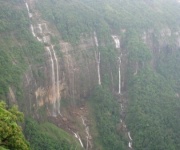
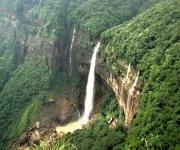
Base yourself in Sohra and group nearby stops rather than chasing every waterfall in one day. Nohkalikai Falls, often called Seven Sisters Falls, the Arwah cave area and the Dympep viewpoint are within roughly 5 to 15 kilometres of central Sohra. Kynrem Falls is another worthwhile stop, but roads and paths can be wet and slippery. A relaxed morning route might take in Nohkalikai and Arwah, followed by a viewpoint or forest walk when the clouds lift.
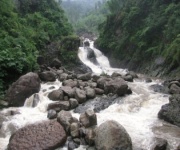
After heavy rain, a spectacular cascade may be brown, powerful and difficult to approach safely. Keep to marked paths, obey local entry arrangements for caves and do not swim or wade where currents are strong. At Kynrem, check whether the viewing area is open and whether the upper falls are accessible. Late winter can bring thinner water, so photographs of the wet-season flow may not match what you see.
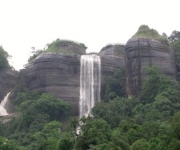
Rainbow Falls is farther from Sohra and deserves a separate half-day or full-day trip. Build in time for roadside stops, meals and delays instead of adding it to an already busy afternoon. Waterfall volume and viewing conditions vary by season, and some attractions charge fees or require a local guide. A day driver can be particularly useful here, leaving you free to walk and photograph rather than navigate on a damp road.
Prepare for remote bridges and roadside breakdowns
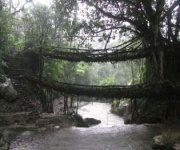
The living root bridges near Nongriat and Mawryngkhang require more planning than the main Sohra sightseeing loop. Roads are winding and can be narrow near the final settlements, and a one-way trip from Sohra can take around 2.5 to four hours, depending on rain, traffic and roadworks. Use a reliable local driver for a long day, or hire one for the remote approach and join the walk after reaching a safe parking area. An eco-lodge stay can also spread the journey across two days.
The Mawryngkhang bamboo bridges account of the trek explains why the final part is often walked rather than driven. It also helps separate the attraction from the driving task: reaching the trailhead safely matters more than getting as close as possible. Avoid unapproved shortcuts and do not continue onto a steep, narrow road if you cannot clearly see the surface ahead.
Before setting out, agree on a turnaround time and keep the vehicle’s fuel and supplies above a conservative reserve. Mobile reception may disappear in forest valleys, so tell your resort or driver whom to contact if you are delayed. Breakdown assistance from Sohra may take time to reach remote roads, making a preventive check more valuable than a fast recovery plan.
Before collecting the car
- Confirm the International Driving Permit, rental agreement, insurance and emergency contact in writing.
- Inspect tyre tread and pressure, brakes, lights, wipers, horn, jack and spare wheel.
- Download offline maps plus the resort, trailhead and fuel-station locations you need.
- Check the active FASTag balance and agree how tolls will be paid on the route.
Pack these essentials for the journey
- A charged phone, power bank, torch and a waterproof copy of key documents.
- Water, snacks, a light rain layer and a basic first-aid kit for each passenger.
- Small rupee notes for fuel, parking, tolls and roadside purchases.
- A tyre-pressure gauge, puncture kit and practical recovery tools approved by the rental company.
Book your Sohra base with local support
For a first visit, staying two or three nights in Sohra gives you room to use the car for nearby sights and hire a local driver for the long run to Nongriat or Mawryngkhang. Cherrapunjee.net also presents resort stays and multi-day Meghalaya packages, including options from two to seven nights, so you can choose a driver-led itinerary if self-driving feels unfamiliar.
Contact India Beacons Sojourn for booking enquiries before departure to confirm current car availability, accommodation and a driver-backed alternative for monsoon or remote-bridge days. Provide your dates and vehicle preferences, request the latest road-condition check, and keep the booking contact accessible to everyone travelling.