





Photographing Sohra’s Lush Green Valleys With Confidence
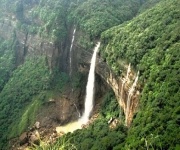
Sohra, also known as Cherrapunjee or Cherrapunji, is a dream setting for landscape photography. Deep valleys, mist-covered ridges, bright grass, dense forest and silver waterfalls create layers that can change within minutes. The famous wet climate gives the scenery its rich colour, yet it also demands patience, weather protection and careful handling of camera equipment.
For Australian travellers arriving from Sydney, Melbourne, Brisbane or Perth, the landscape may feel wonderfully unfamiliar. The monsoon atmosphere is different from a typical Blue Mountains walk or a rainforest outing near Cairns. Plan around shifting cloud, allow extra time at viewpoints and treat the valley as a living environment rather than a fixed postcard scene.
Read The Light Before Setting Up
The strongest images often appear shortly after rain, when the air is clean and the foliage looks freshly polished. Early morning can bring pale mist floating between the ridges, while late afternoon produces warmer tones across exposed slopes. Midday light may seem flat, but it can still work when clouds create soft, even illumination over the valley.
Avoid rushing to photograph the first clear view. Watch how the mist moves for several minutes and look for openings that reveal distant layers. A brief gap in the cloud can separate a foreground ridge from a darker background, giving the image depth without heavy editing.
Australian photographers accustomed to checking the Bureau of Meteorology before a hike should apply the same habit here, while remembering that local conditions can shift faster in the hills. Ask your driver, guide or accommodation staff about current visibility and rainfall before committing to a distant viewpoint.
Find Layers In The Landscape
A wide valley photograph becomes stronger when it includes three visual levels: something close to the camera, a middle ridge and a distant horizon. Ferns, wet rocks, a winding trail or a tree trunk can frame the foreground. The middle distance supplies texture, while a pale ridge disappearing into cloud creates scale.
Use a natural leading line to guide attention through the scene. A path, stream, valley edge or row of trees can draw the eye towards a waterfall or village. Keep the horizon level, especially when photographing from steep viewpoints, and check the corners of the frame for distracting branches or bright patches.
A wide-angle lens is useful for dramatic terrain, but it can make distant features look insignificant. A standard zoom often produces a more balanced composition, while a telephoto lens can compress overlapping green ridges into graphic bands. Take several versions rather than relying on one focal length.
Keep Your Camera Dry And Ready
Sohra’s moisture is part of its character, but condensation can damage cameras and make lenses difficult to use. Carry a rain cover for the camera and backpack, plus a small microfibre cloth in an accessible pocket. A plastic bag with a seal can provide emergency protection during a sudden downpour, although it should not replace a proper cover.
When moving from an air-conditioned vehicle or hotel into warm, humid air, let the camera adjust gradually inside its bag. This reduces the chance of condensation forming on internal and external surfaces. Store spare batteries in a dry pouch and carry more power than you expect to need, since cold, wet conditions and repeated image review can drain batteries.
Australian travellers often carry a reusable water bottle and compact rain shell as standard hiking gear. Add silica-gel packets, a lens hood and a lightweight dry bag to that routine. Avoid changing lenses in exposed rain, and check the camera body, tripod feet and bag zips each evening.
Choose Settings For Moving Weather
Mist, waterfalls and leafy slopes present competing exposure problems. Bright cloud can fool the camera into underexposing dark forest, while white water may lose detail if highlights clip. Shoot in RAW when possible, use exposure compensation deliberately and review the histogram rather than judging brightness only on the rear screen.
A polarising filter can deepen foliage and reduce reflections on wet leaves, though it may darken the sky unevenly with a very wide lens. A neutral-density filter helps create a softer waterfall effect in brighter conditions. Keep shutter speeds fast enough for handheld work when wind moves leaves or mist crosses the frame.
| Scene | Useful Starting Point | Main Adjustment |
|---|---|---|
| Misty valley | ISO 100–400, f/8, moderate shutter speed | Add exposure if the fog looks grey |
| Waterfall in shade | ISO 100–400, f/8–f/11, slower shutter | Use a tripod and watch bright water |
| Wind-blown foliage | ISO 400–800, f/5.6–f/8, faster shutter | Raise ISO rather than accepting blur |
| Layered ridges | ISO 100–400, f/8–f/11 | Focus about one-third into the scene |
| Dark forest detail | ISO 400–800, f/5.6–f/8 | Protect highlights and lift shadows later |
A sturdy tripod is valuable at viewpoints and forest edges, but it is less practical on narrow, slippery paths. If you use one, keep each leg firmly planted and avoid blocking walking routes. A beanbag or compact travel tripod can be a useful compromise for low viewpoints.
Include People And Local Scale
A person in the frame can show how enormous the valley is, especially when the figure stands on a safe, established viewpoint. Ask permission before photographing local residents, guides or workers as the main subject. A simple gesture and brief explanation are usually more respectful than photographing someone unexpectedly.
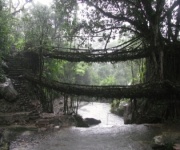
Traditional villages, cultivated slopes and footpaths add a sense of place that an empty landscape may lack. Photograph these details from public areas and avoid entering homes, farmland or sacred spaces without permission. Local advice matters, particularly around living root bridges, forest paths and viewpoints affected by rain.
Useful subjects to look for include:
- A guide walking along a ridge trail
- Water droplets gathered on broad rainforest leaves
- A distant home or village softened by mist
- Moss, roots and stone textures near a forest path
The region’s green colour is varied rather than uniform. Look for lime foliage in fresh growth, deep green forest, yellow grass, dark wet rock and blue-grey rain clouds. Subtle colour differences often communicate the atmosphere of Sohra more effectively than heavy saturation.
Work Safely Around Water And Cliffs
Many of the best viewpoints are exposed, slippery or close to steep drops. Stay behind barriers where they exist and follow local instructions, even when a more dramatic angle seems tempting. Wet rocks can be unstable, and low cloud can hide the edge of a slope. Keep camera straps secured and avoid backing up while looking through the viewfinder.
Waterfalls and swimming areas deserve extra caution after heavy rain. Currents can strengthen quickly, rocks become slick and phone signals may be unreliable. If you want to combine photography with a swim, review local guidance on the best river swimming holes before planning the day.
A compact camera bag should support safe movement rather than encourage carrying every accessory. Prioritise weather protection, a spare battery, one versatile lens and basic first aid. Wear shoes with reliable grip, and allow time to return before darkness or worsening weather.
Practical habits for a smoother shoot include:
- Keep both hands free on steep or uneven sections
- Carry a headlamp even for an afternoon walk
- Save offline maps and accommodation contact details
- Use a dry pouch for your phone, passport and cash
Australian visitors should also check travel insurance conditions for trekking, camera equipment and activities near water. An Australian insurance policy may exclude certain adventure activities unless they are listed or purchased as an add-on. Indian entry rules, local permissions and any protected-area requirements should be checked before departure, using current official information.
Build A Flexible Photography Day
A productive Sohra photography day rarely follows a rigid minute-by-minute schedule. Start with a nearby viewpoint in the morning, then move towards waterfalls, caves, parks or forest trails as the cloud changes. Keeping one flexible block in the afternoon gives you a chance to return to a location when the light improves.
Multi-day stays are particularly useful for landscape photographers. A two-night visit can cover major viewpoints, while longer packages allow time for living root bridges, village walks and repeat visits after rain. A local driver or guide can help identify safe access points and judge whether a road or trail remains suitable.
Australian travel habits can be useful here: pack layers, carry snacks for long drives and keep a small amount of local cash because smaller vendors may not accept cards. India’s digital payment systems are widespread, but connectivity and payment compatibility can vary outside larger towns. Do not rely solely on a phone wallet for remote outings.
Before leaving the accommodation, check the battery, memory card, cloth, rain cover and transport plan. If flying a drone, research Indian aviation rules and local restrictions well in advance; Australian CASA rules govern drone use in Australia, while operations in Meghalaya are subject to Indian requirements and any site-specific limits. Never assume an attractive valley is automatically available for aerial photography.
Turn Green Valleys Into A Coherent Story
A strong travel gallery needs variety. Mix broad valley views with intimate details, portraits made respectfully, trail scenes and images that show weather. Sequence photographs from an open landscape to a closer texture, then finish with a human or architectural detail that anchors the location in everyday life.
Keep editing restrained. Lift shadow detail carefully, reduce distracting highlights in cloud and use selective contrast to separate overlapping ridges. Excessive clarity or saturation can make wet vegetation look artificial. The natural mood of Sohra often depends on softness, haze and muted transitions.
Record the location and conditions while they are fresh. Notes about rainfall, time, viewpoint direction and lens choice can help you understand why one frame works better than another. They also make it easier to caption images accurately and share the cultural and environmental context of the journey.
A well-planned Cherrapunjee holiday can combine photography with waterfalls, caves, parks, local food and walks across living root bridges. Explore the available stays and itineraries on Cherrapunjee.net, then contact India Beacons Sojourn to arrange a practical route suited to your dates, interests and preferred pace. Pack for rain, leave room for changing weather and give the valleys time to reveal their best light.