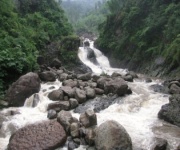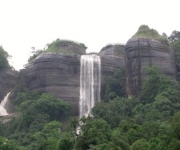





Five breathtaking waterfalls within ten kilometres of Sohra
Cascading down misted cliffs and tumbling through bamboo groves, the waterfalls scattered across the Cherrapunjee plateau form one of the wettest, and most photogenic, landscapes on the planet. For travellers flying out of Sydney or Melbourne with a week or two to spare, the short drive from Guwahati into the Khasi Hills reveals cascades within minutes of the town centre, each reachable on a half-day wander rather than a full expedition.
These falls sit within a 10-kilometre bubble around Sohra, a region that records more than eleven metres of rain a year. The variety is striking: plunging single drops, multi-tiered veils, hidden grottoes fed by limestone springs, and shallow rock pools you can wade into once the monsoon relents. Many Australians who book guided itineraries with Dexter Travels arrive expecting long bus rides between sights, then find themselves stopping the car again less than twenty minutes later for the next lookout.
Why a ten-kilometre radius matters
Sohra, also written Cherrapunjee, sits on a plateau edge, so most of its waterfalls drop off the scarp into the Bangladesh plains below. That geography means anything close enough for an arvo out of your hotel, whether you are travelling on a tour bus or self-driving a hired Toyota from Guwahati, tends to offer the best reward-to-effort ratio. You will not have to bargain with multiple taxis or sit through long bumpy stretches the way you might on the lower tracks into Bhutan or Sikkim.
The radius also keeps the day flexible. Travellers who set off after brekkie can comfortably visit two major falls plus a viewpoint before lunch, which suits Australians who often plan tight itineraries to make the most of a long-haul trip. Weather remains the only major variable, but even in the shoulder months the morning is usually clearer, with fog rolling in by two o'clock. Because the plateau is small, your guide can shift the day on the fly, swapping an afternoon viewpoint for a sheltered cave walk if the weather turns ugly.
Nohkalikai Falls
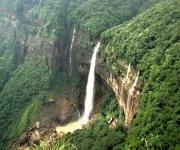
The icon of the plateau, Nohkalikai drops roughly 340 metres from a forested lip straight down to a jade-green plunge pool. A short paved path from the car park leads to a fenced viewing platform, which doubles as a selfie spot for everyone from Brisbane backpackers to Korean tour groups. The walk is gentle, only a few hundred metres, so it works well for older travellers and families.
From the top you can hear the water before you see the bottom, and on clear afternoons the spray catches sunlight at an angle that turns the falls into what looks like a column of liquid crystal. During the post-monsoon months from October to January, the plunge pool swells and the entire cliff face weeps sideways, sometimes creating secondary cascades that rejoin the main drop halfway down. After heavy rain, mist obscures the base completely for an hour at a time, a feature photographers love to capture from the railing.
A small memorial near the car park marks the legend of a local mother named Likai, and most guides pause here for a few minutes to retell the story. Visitors who buy the entry ticket gain access to a row of clean public toilets and a couple of basic tea stalls serving chai and Maggi noodles. Plan around forty minutes for the stop, including the walk down and back, and bring a small cloth to dry the railings before leaning on them.
Seven Sisters Falls
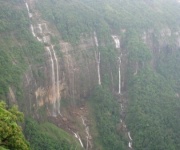
Named after the seven streams that pour side by side down a wide basalt cliff, Nohkalikai's less famous sibling is just a few minutes further along the road. The viewpoint here sits slightly higher, giving a sweeping sideways take of the entire drop rather than a head-on view. It is the sort of stop a guide will time for golden hour, since the cliff face stays lit long after the valleys below turn purple.
Walkers with reasonable fitness can descend partway to the base by the stairway at the eastern edge of the viewpoint. The steps are uneven and the path slippery after rain, so a reasonable pair of hiking shoes is worth packing rather than relying on the joggers you wore on the plane from Perth. A tip from many Aussie visitors is to start the descent before eight in the morning while the rock is still relatively dry.
Legend says the streams represent seven sisters mourning a brother lost across the gorge, a Khasi story that gives the falls a poetic weight every guide cheerfully retells. Photographers should bring a polariser to cut glare from the wet rock and pack a microfibre cloth for the lens since spray drifts up the cliff in late afternoon. The site shares its small car park with several souvenir stalls selling bamboo handicrafts and hand-rolled incense.
Wei Sawdong and the lesser-known pools
For travellers willing to put in a small effort, the Wei Sawdong cascade offers a turquoise multi-tiered swimming hole hidden in a forest clearing some eight kilometres from town. The exact route keeps changing with the seasons, so anyone attempting the descent on their own should consult a current trek guide before setting off. The trail drops through cashew groves and across a couple of rope-assisted sections before reaching the main bathing shelf.
Locals from the village nearby ask trekkers to stay on marked paths to avoid disturbing betel-nut groves that line the route. The lower pools are cold even in April, but the upper tier has a sun-warmed bathing shelf perfect for a tired traveller. Bring quick-dry towels rather than heavy cottons, which is something most Australian campers already know from the odd weekend at Wilsons Prom or Litchfield. The final stretch crosses a small wooden bridge that has been rebuilt several times after each wet season.
Mawsmai, Dainthlen and the smaller cascades closer to town
Two falls within the inner 10-kilometre loop are especially convenient for those wanting a slower morning. Mawsmai Falls sits just off the main road past the limestone caves, a wide curtain of water that drops into a rock basin you can wade into if you do not mind chilly water. Photography is straightforward because the falls face north and catch soft light almost any time of day.
Dainthlen Falls, slightly further east, gets its name from a Khasi legend about a demon-thwarting hero, and the surrounding rock carvings keep the story alive. Both falls can be seen, photographed and reached in roughly ninety minutes combined, which leaves the rest of the day free for the market in Sohra town or a coffee stop at one of the resorts overlooking the valley. Travellers with another half day can pair the falls with the Mawsmai Cave, a short limestone system lit by low warm bulbs and a sensible pairing for anyone travelling with children.
Planning the trip from Australia
Australians heading to Meghalaya typically fly into Guwahati via Bangkok, Kuala Lumpur or Singapore, then transfer to a smaller turboprop. Many Sydney and Melbourne-based travellers redeem Qantas points to reach Singapore first, which keeps the total time in transit to about eighteen hours. Indian e-visas are processed online within a couple of days for Australian passport holders and currently cost less than fifty Australian dollars per person, so it makes sense to lodge the application well before you board.
Currency exchanges for Australian dollars can be tricky once you leave Guwahati, so most visitors withdraw Indian rupees at the airport ATM or change a small amount in Melbourne or Sydney before leaving. A prepaid travel card loaded with AUD becomes awkward to use once you cross into the hill villages where cash is still king. Several local partner operators bundle transfers and permits into one booking, sparing travellers the hassle of chasing small regional tour desks. Local SIMs from Jio and Airtel work on Australian handsets, but travellers should check whether their phone is unlocked before flying out of Tullamarine or Kingsford Smith. Power points also differ, so a universal adapter is worth tossing in alongside your swimming gear.
Practical recommendations for waterfall day trips
A few small habits make the difference between a stressful day and a memorable one around Sohra:
- Carry a light rain jacket even in November, because afternoon showers arrive without warning.
- Wear sandals with grip or hiking boots for the slippery basalt trails.
- Pack dry snacks from your Guwahati hotel brekkie, as the roadside stalls near the falls are seasonal.
- Start each morning early to make the most of clear skies before fog rolls in around two.
- Hire a local guide for the Wei Sawdong descent if you have never hiked tropical limestone before.
- Keep small rupee notes handy for entry tickets, viewpoints and tips for the caretakers at each site.
- Save half a day as buffer for travel to or from Shillong, since the single-lane highway around the plateau can be slow.
Ready to swap Sydney's spring flat whites for the roar of Nohkalikai before lunch. Browse the packages on offer across the site and start sketching out a holiday that fits neatly into two weeks off work, then send the team a quick message to lock in transfers, guides and the best window for catching the falls in full flow.