





Packing for a winter trip to Cherrapunjee
Cherrapunjee's winter season stretches from December through February, offering the driest and most accessible months in one of the wettest regions on the planet. Daytime temperatures hover between 7 and 15 degrees Celsius, while nights can dip into single digits, especially in the higher villages around Sohra and Mawsynram. For travellers departing from Sydney, Melbourne, or Perth, this window falls during the Australian summer, making it an appealing swap from heatwaves, bushfire alerts, and crowded beaches to misty cliffs, plunging waterfalls, and crisp highland air.
Packing for this period demands a different approach than preparing for a ski weekend in the Snowy Mountains, a coastal walk in Tasmania, or a hike in the Grampians. The chill is damp rather than dry, trails turn slick with red mud after light showers, and electrical sockets in Meghalaya follow Indian standards rather than Australian ones. A thoughtfully packed suitcase keeps you warm, healthy, and compliant with Australia's strict biosecurity rules when you return home with soil on your boots, seeds in your pockets, or untreated wooden walking sticks in your luggage.
What winter means in the East Khasi Hills
Winter in the East Khasi Hills is defined more by the absence of the monsoon than by freezing temperatures. Rainfall drops to roughly 50 to 100 millimetres per month between December and February, compared to the 1,000 millimetres that can fall in a single June week. Mist still rolls through the valleys most mornings, and humidity often sits above 80 percent, which makes the cold feel sharper than the thermometer suggests. Fog can reduce visibility on the winding roads descending from Shillong, so layering for warmth and moisture is more useful than packing heavy insulated parkas designed for sub-zero alpine conditions.
Travellers from Australia should remember that their winter runs from June to August, while Cherrapunjee's winter runs from December to February. The two seasons share cooler temperatures and shorter days, but the weather patterns differ significantly. Hobart and Canberra experience dry, frosty mornings, whereas Cherrapunjee remains damp and foggy throughout the dry season. A quick comparison helps set expectations and inform packing choices.
| Factor | Cherrapunjee, December–February | Sydney, June–August |
|---|---|---|
| Temperature range | 7–15°C | 8–17°C |
| Monthly rainfall | 50–100 mm | 70–130 mm |
| Humidity | Very high, persistent fog | Moderate, crisp mornings |
| Trail conditions | Slippery, red mud, occasional drizzle | Cool, generally firm |
| Sunset | Around 5:00 pm | Around 5:00 pm |
Even though both countries drive on the left side of the road, the driving experience in Meghalaya involves hairpin bends, narrow lanes, and unexpected livestock, so plan your wardrobe for roadside stops as well as for trekking. A spare set of dry clothes in the car can prevent a miserable return to your hotel after an unexpected shower.
Clothing and footwear for Meghalaya's damp cold
The key to staying comfortable is layering. Start with a merino wool base layer that retains warmth when wet, add a fleece or down mid-layer for insulation, and finish with a hard-shell waterproof jacket with sealed seams and an adjustable hood. Cotton holds moisture and loses insulating properties quickly, so leave the favourite cotton hoodie at home. For evenings around a resort fireplace or a homestay in Mawlynnong, a warm beanie, scarf, and gloves are useful, particularly if you are sensitive to the cold after a long Australian summer spent in air-conditioned offices or at the beach.
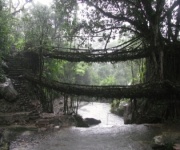
Footwear deserves special attention. The trails to living root bridges, such as those near Nongriat, involve more than 3,500 steep, uneven steps that become treacherous in damp conditions. Bring waterproof hiking boots with aggressive tread and broken-in soles. Many Australians already own reliable pairs from walks in the Blue Mountains, the Grampians, or Tasmania's Overland Track, but check that the rubber has not worn smooth. Pack a pair of quick-dry sandals for the resort or for wading across shallow streams. Thick wool socks, changed at midday, prevent blisters and keep feet warm during long descents into the valleys.
Health, hygiene, and re-entry to Australia
Personal care items help prevent the minor illnesses that can derail a holiday. A small first-aid kit with blister plasters, rehydration salts, antiseptic cream, and broad-spectrum antibiotics prescribed by an Australian GP is wise, as pharmacies in Cherrapunjee stock fewer Western brands and may not stock specific formulations. Mosquito repellent remains necessary during winter evenings near stagnant water, and any prescription medication should travel in its original packaging with a copy of the script to satisfy Indian customs checks. Stomach upsets are common, so a probiotic course started a week before departure can help maintain gut health.
Australia enforces some of the world's strictest biosecurity laws under the Biosecurity Act 2015. Before flying home from Guwahati or Kolkata, declare any outdoor gear, hiking boots, tents, and walking poles on your incoming passenger card. Inspections can include checking soles for seeds, soil, and plant matter. Failure to declare can lead to hefty fines, on-the-spot penalties, or prosecution. Clean boots thoroughly with a stiff brush, wash and dry all clothing worn on the trails, and avoid bringing back any fresh fruit, flowers, seeds, or untreated wooden items. The Department of Agriculture, Fisheries and Forestry operates biosecurity detector dogs at major Australian airports including Sydney, Melbourne, Brisbane, and Perth, so compliance is taken very seriously.
Tech, money, and paperwork for Australian travellers
Indian power outlets use Type C, D, and M plugs, so Australian Type I devices will not fit without a universal adapter. Pack two or three adapters, since they are unreliable in regional Meghalaya and can be difficult to replace outside Shillong. Voltage in both countries is 230 volts at 50 hertz, so most Australian chargers work without a converter, but always check the label on your device. A power bank keeps phones charged during long blackout periods in the hills, and a headlamp is invaluable for the darker sections of caves such as Mawsmai and Krem Mawmluh.
Local mobile coverage is patchy outside main towns; a prepaid Indian SIM with data from Jio or Airtel is affordable and widely available in Shillong, but ensure your Australian phone is unlocked before departure. Major Australian carriers offer international roaming, but data costs are high. Australian citizens require a valid passport with at least six months' validity and an e-Visa or regular tourist visa for India, applied for online through the official Indian government portal. Carry printed copies of your visa approval, flight tickets, and hotel confirmations, as digital versions are not always accepted at smaller checkpoints.
Exchange a small amount of Australian dollars into Indian rupees before departure for immediate expenses, though ATMs in Shillong and Cherrapunjee accept most Australian bank cards with a modest foreign transaction fee. The exchange rate fluctuates, but one Australian dollar typically buys around 55 Indian rupees. Inform your bank of travel dates to avoid frozen accounts, and carry a backup debit and credit card in case one is retained by an ATM or lost. Travel insurance that covers medical evacuation is essential, as private hospitals in Guwahati are the nearest advanced care facilities.
A practical daypack checklist for waterfall trails
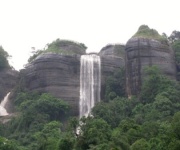
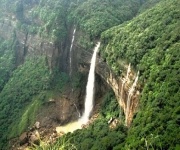
Most guided excursions, including those to the famous cascades near the town, involve leaving the main hotel early and returning after dusk. A compact daypack keeps essentials dry and accessible without weighing you down on steep descents. Before visiting the Rainbow Falls, review trail updates and pack these items.
- 1.5-litre water bottle or hydration bladder with purification tablets, as stream water is not always potable.
- Lightweight rain cover for the daypack, rated to at least 2,000 millimetres, plus a dry bag for phones, wallets, and documents.
- High-energy snacks such as nut bars, dried fruit, chocolate, or electrolyte gels to fuel long walks between villages.
- Compact headlamp with spare batteries, since fog can arrive earlier than forecasted and reduce visibility to a few metres.
- Foldable trekking pole to reduce knee strain on the 3,500 steps down to the living root bridges and back up.
- Microfibre towel that dries quickly after river crossings, sudden showers, or a damp seat on the return vehicle.
Spending a few extra minutes preparing the daypack pays off when the weather shifts suddenly, which is common even in the dry season. A small first-aid top-up, including painkillers and antihistamines, rounds out the list for most travellers.
Winter in Cherrapunjee rewards visitors who pack with intention. The combination of crisp mornings, clear views of the Bangladesh plains on lucky days, and manageable rainfall makes it the most comfortable time to explore the region's caves, waterfalls, and living root bridges. A pre-planned packing list removes the stress of last-minute purchases in Shillong and ensures you stay warm, dry, and healthy throughout the journey. For a comprehensive itinerary that covers the highlights across multiple days, the Cherrapunji 5N 6D Package bundles accommodation, transfers, and guided treks into a single booking. To confirm availability or ask about customisation for Australian travellers, contact India Beacons Sojourn via the details on the website and secure your spot for the upcoming winter season.