





What to Bring for a Trek to Kyllang Rock
Kyllang Rock is a striking red-granite monolith in Meghalaya’s West Khasi Hills, reached by a short but uneven climb through a green, often misty landscape. It is commonly visited from Cherrapunjee or Shillong as part of a wider day excursion, although the drive and local road conditions can make the outing feel longer than the trek itself.
The trail is not a technical mountain route, yet it deserves proper preparation. Slippery ground, exposed rock, sudden rain, strong sunlight, and limited facilities can quickly turn a relaxed walk into an uncomfortable one. Packing carefully helps you enjoy the views without carrying an unnecessarily heavy bag.
Your essentials should suit Meghalaya’s changeable weather and the character of the path. Think reliable footwear, drinking water, light rain protection, sun cover, basic first aid, and a way to keep electronics dry. It is also wise to confirm access conditions, local guidance, and transport arrangements before leaving Cherrapunjee.
Know the Route Before You Pack
Kyllang Rock is known for its broad granite surface and panoramic views across the surrounding Khasi hills. The approach may include a short ascent, stone steps, earthen sections, exposed rock, and areas that become slick after rain. The exact condition of the route can vary with the season, recent weather, and maintenance.
A small daypack is usually enough for the walk. Avoid preparing as though you are going on a multi-day Himalayan trek, but do not treat the excursion like a casual roadside stop. You will need enough space for water, a rain layer, food, personal medication, and a few items that protect you from wet or bright conditions.
Ask your driver, tour coordinator, or a local guide about the day’s route before setting out. Access arrangements may change, and a local companion can help with directions, customary conduct, and safe places to stop. Stay on established paths and avoid climbing beyond areas that appear stable or commonly used.
Choose Footwear For Wet Granite
Shoes are the most important item for this outing. Select walking shoes or light hiking boots with a firm, patterned sole and a secure heel. The tread should grip both damp soil and smooth-looking rock. Shoes that are already broken in are preferable to new footwear that may cause blisters halfway through the excursion.
Open sandals, loose sneakers, and smooth-soled casual shoes are poor choices, particularly during the monsoon or after overnight rain. Even when the lower approach looks dry, shaded rock can remain wet. An ankle-supporting shoe may provide extra confidence on uneven ground, though a heavy boot is unnecessary for most visitors.
Wear moisture-wicking socks and carry one spare pair in a sealed bag. If your feet become wet, changing socks can prevent rubbing and discomfort. A few blister plasters, athletic tape, and a small amount of antiseptic cream take up very little room and can be useful on any Meghalaya walking route.
| Item | Best Choice | Why It Helps |
|---|---|---|
| Walking shoes | Grippy, broken-in trail shoes | Improve traction on damp rock and uneven ground |
| Socks | Moisture-wicking with one spare pair | Reduce rubbing and help manage wet conditions |
| Rain layer | Lightweight waterproof jacket or poncho | Protects against sudden showers without adding much weight |
| Trousers | Quick-drying, flexible pair | Offers movement and protection from vegetation |
| Daypack | Small pack with a rain cover | Carries essentials while keeping your hands free |
Prepare For Meghalaya Weather
Cherrapunjee and the surrounding Khasi hills are famous for heavy rainfall, but rain is only one part of the weather equation. Clouds can gather quickly, temperatures can feel cool in the wind, and bright sun may return soon after a shower. Pack clothing in light layers so you can adjust without carrying bulky items.
A thin, quick-drying T-shirt or base layer works well beneath lightweight trousers. Add a fleece or long-sleeved layer if you are travelling during a cooler period or expect an early start. A waterproof jacket is more practical than a thick umbrella on a rocky trail, because it leaves both hands free and packs down easily.
A poncho can be useful in intense rain, especially if you are carrying a daypack. If you prefer an umbrella for the approach, choose a compact one and use it only where the path is wide and safe. Put spare clothing, maps, snacks, and electronics inside waterproof pouches or resealable bags rather than relying only on the pack’s outer cover.
Sun protection remains important when clouds break. Bring a cap or hat, sunglasses with a retaining strap, and sunscreen. Long sleeves and trousers can also protect against scratches, insects, and rough vegetation near the route.
Carry Water Food And Basic Safety Gear
Bring more drinking water than you expect to use if there are no dependable refill points along your planned route. A reusable bottle is convenient, while a hydration bladder allows you to drink without stopping. Water purification tablets or a compact filter may be useful for longer excursions, but do not assume that natural streams are safe to drink without treatment.
Pack food that travels well and does not require preparation. Bananas, nuts, sandwiches, energy bars, roasted snacks, and biscuits are practical choices. Carry any wrappers back with you, and avoid leaving fruit peels or other organic waste on the trail. A small bag for rubbish keeps your pack and the surroundings clean.
Your personal first-aid kit should include plasters, blister treatment, antiseptic wipes, pain relief that you normally use, prescribed medicines, and an oral rehydration sachet. Add insect repellent if you are sensitive to bites. A whistle, small torch, hand sanitiser, and tissues are also worthwhile, particularly if the outing extends beyond the expected schedule.
Mobile reception may be inconsistent in hilly areas. Keep your phone fully charged and save important contact details before leaving. A compact power bank can be helpful, but protect it from rain. Tell someone in your group or accommodation where you are going and when you expect to return.
Keep Electronics And Valuables Dry
The views from Kyllang Rock can be rewarding for photographers, but camera equipment should be packed with the weather in mind. A phone in a waterproof pouch is often enough for most visitors. If you carry a camera, use a dry bag or padded insert inside the daypack and keep a microfiber cloth available for mist and raindrops.
Do not balance your phone or camera near an exposed edge for a photograph. Wet granite, gusts, and crowded viewpoints can make a small lapse costly. A wrist strap or neck strap adds security, while a lens cloth helps you take clear images when conditions change quickly.
Keep cash, identification, accommodation details, and any required travel documents in a sealed inner pouch. Carry only what you need for the day. If you are combining the visit with nearby attractions, leave larger luggage at your hotel, resort, or vehicle rather than taking it onto the trail.
The same careful approach applies to visits elsewhere in the region. If your itinerary includes underground sites, review this cave safety guide before visiting, since caves require different footwear, lighting, and movement habits from an open rock trail.
Respect The Landscape And Local Customs
Kyllang Rock is more than a scenic viewpoint. Natural formations and hill landscapes may hold cultural or spiritual importance for local communities. Follow signs, instructions from local residents, guides, and site staff, and avoid loud behaviour or actions that could be considered disrespectful.
Do not carve names into the granite, remove stones, disturb plants, or approach wildlife. Keep a sensible distance from edges and never attempt a route that is wet, closed, or beyond your experience. A trekking pole can help with balance on the approach, but it should not be used to probe unstable ground or damage vegetation.
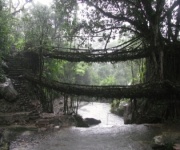
If your broader Meghalaya journey includes living root bridges, remember that these are community-made structures with their own care requirements. Learning how living root bridges differ from ordinary bridges can encourage more thoughtful behaviour when walking across them.
A Practical Packing Checklist
Use the following list as a final check before leaving your accommodation. Adjust it according to the season, the length of your drive, and whether a guide or tour operator is providing food and safety equipment.
- Broken-in walking shoes with dependable grip and one spare pair of socks
- Lightweight waterproof jacket or poncho, plus a pack cover or dry bags
- Reusable water bottle, compact snacks, and a small rubbish bag
- Cap, sunglasses, sunscreen, insect repellent, and a quick-drying layer
- Personal first-aid supplies, prescribed medicines, tissues, and hand sanitiser
- Fully charged phone, power bank, offline directions, and emergency contacts
- Small torch, identification, limited cash, and any relevant booking details
Keep the heaviest items close to your back and place frequently used items, such as water and rainwear, in outer pockets. A well-organised pack reduces unnecessary stops and makes it easier to maintain balance on uneven sections. Leave room for a wet layer to be stored separately from dry clothing.
Before departing, check the forecast and ask about recent rainfall. A clear morning does not guarantee dry conditions later in the day. If storms, heavy rain, poor visibility, or unsafe access are reported, postponing the climb is a sensible decision rather than trying to force the itinerary.
For a comfortable excursion from Cherrapunjee, combine a practical daypack with realistic timing and local advice. Cherrapunjee.net can help you plan a Meghalaya holiday around Kyllang Rock, waterfalls, caves, parks, resorts, and living root bridges, with tour and vacation packages ranging from two to seven nights. Contact India Beacons Sojourn to arrange a route that matches your travel dates, interests, and preferred pace.