





What to expect during the monsoon season in Cherrapunjee
Cherrapunjee, also known as Sohra or Cherrapunji, becomes intensely green when the southwest monsoon reaches Meghalaya. Rain fills the waterfalls, mist settles over the hills, and the landscape takes on a dramatic, almost dreamlike character. The season is not simply a wetter version of a normal holiday; it changes the pace, routes, views, and activities available each day.
Rainfall is generally heaviest from June through September, although showers may begin earlier and continue into October. Some days bring long spells of steady rain, while others alternate between downpours, cloudy pauses, and sudden clear views. The exact experience depends on the weather system, road conditions, and the location you are visiting around Sohra.
Travelers who prepare for damp paths and flexible schedules can discover a particularly memorable side of Meghalaya. Waterfalls become more powerful, forest trails feel alive, and clouds move across the plateau within minutes. A monsoon journey rewards patience, practical clothing, and enough time to enjoy places when visibility improves.
The landscape becomes greener and more dramatic
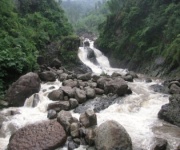
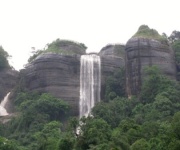
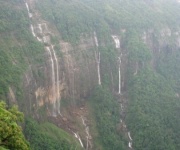
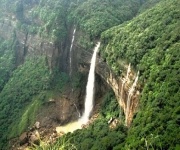
The most visible change during the rainy season is the transformation of the terrain. Hillsides turn vivid green, streams appear beside roads, and water runs through channels that may be dry during other months. The famous waterfalls around Cherrapunjee often reach their most impressive volume during this period, creating a deep roar that can be heard before the cascade comes into view.
Nohkalikai Falls, Dainthlen Falls, and Wei Sawdong Falls are popular examples, but the surrounding countryside also offers countless smaller cascades and temporary streams. At viewpoints, cloud banks may cover the valley one moment and reveal layers of forest the next. A short wait can make the difference between seeing only white mist and enjoying a broad, dramatic panorama.
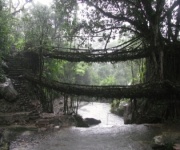
The living root bridges are another highlight of a wet-season visit. Their dense, shaded surroundings feel especially atmospheric after rain, though steps and forest paths can become slippery. Reaching bridges such as those near Nongriat requires physical effort, so visitors should allow extra time and avoid rushing over wet rocks.
Daily weather shapes the pace of a visit
Monsoon weather in Cherrapunjee is often humid, cool, and changeable rather than uniformly cold. Daytime temperatures commonly feel comfortable under cloud cover, while evenings may become noticeably cooler, particularly when clothing remains damp. Strong rain can arrive quickly, so a clear morning does not guarantee dry conditions throughout the afternoon.
A flexible daily schedule works better than trying to follow a strict list of stops. Waterfalls and viewpoints are often best visited during breaks in the rain, while museums, cafés, local markets, and relaxed resort time can fill periods of poor visibility. Early starts may provide quieter roads and a better chance of seeing viewpoints before clouds thicken.
Mist also changes distances and driving times. A destination that appears close on a map can take longer when vehicles slow down on wet bends. Short walks may require extra care, and photography stops can become more time-consuming when travelers wait for clouds to lift. Building pauses into the itinerary makes the experience more comfortable.
Roads and outdoor access require care
Road travel remains the main way to explore Cherrapunjee and nearby attractions, but monsoon conditions can affect the journey. Heavy showers may reduce visibility, water can collect along road edges, and small landslides or fallen branches may cause temporary delays. Drivers familiar with Meghalaya’s hill roads are valuable, especially when traveling beyond the main town.
The condition of a walking route can change overnight. Mud, loose stones, flowing water, and slippery steps are common around waterfalls, caves, and forest trails. Visitors should stay on marked paths, follow local instructions, and avoid standing close to unstable edges. A spectacular viewpoint is not worth taking an unnecessary risk for a photograph.
| Experience | What the monsoon may bring | A practical approach |
|---|---|---|
| Waterfalls | Fuller cascades, spray, and loud rushing water | Carry rain protection and keep a safe distance from edges |
| Viewpoints | Mist, low visibility, and brief clear intervals | Allow waiting time instead of moving on immediately |
| Forest trails | Mud, slippery steps, and shallow flowing streams | Wear sturdy footwear and use a walking stick if helpful |
| Cave visits | Wet entrances and uneven surfaces | Follow guides and keep phones protected |
| Road journeys | Slow traffic, reduced visibility, and occasional delays | Keep the itinerary flexible and avoid tight connections |
| Mobile connectivity | Patches of weak or interrupted service | Download directions and important information in advance |
Caves such as Mawsmai Cave can remain enjoyable in wet weather, but surfaces inside may be slick. A local guide can make the visit easier by pointing out safe footholds and explaining geological features. Travelers should also check current conditions before setting out, since access to a trail or attraction may change temporarily after intense rain.
Connectivity and practical arrangements
Mobile service around Cherrapunjee varies by provider and location. Coverage is usually more dependable in populated areas than deep in valleys, forests, or near remote bridges. Rain itself is not the only factor; terrain, distance from towers, and congestion can all affect calls and data. Travelers who need reliable communication should plan around intermittent service.
Before leaving a hotel or resort, download maps, booking details, transport information, and important phone numbers. Charging a power bank is useful when a long day includes remote trails or unexpected road delays. Visitors can also review this mobile network guide for location-specific advice on staying connected in and around Cherrapunjee.
Accommodation should be chosen with wet-weather comfort in mind. A room with dependable hot water, indoor drying space, and easy road access can make a substantial difference during a rainy trip. Resorts and hotels near the main sightseeing areas may reduce driving time, while a more secluded property can offer peaceful views when clouds surround the hills.
Food and supplies are generally available in the main town, but remote attractions have fewer options. Carry water and a small snack for longer excursions, especially when visiting living root bridges or cave areas. It is also wise to keep cash available, as card or digital payment service may be less reliable in smaller businesses and areas with weak connectivity.
What to pack for wet-weather travel
The right clothing matters more than bringing a large quantity of clothing. Quick-drying shirts, lightweight trousers, and a warm layer for evenings are useful throughout the season. A waterproof jacket or poncho should be easy to reach rather than buried in luggage, since showers can start while traveling between attractions.
Footwear should provide grip and remain comfortable on uneven ground. Waterproof hiking shoes or sturdy trail sandals may work well, while smooth-soled shoes are unsuitable for wet steps. An extra pair of socks can prevent discomfort after a soaked walk, and a lightweight plastic or waterproof bag helps separate wet clothing from dry belongings.
Useful additions include a protective cover for cameras and phones, insect repellent, sunscreen for sudden sunny periods, personal medicines, and a small first-aid kit. Umbrellas are helpful in town but can be awkward on exposed trails or in strong wind. A compact towel and reusable water bottle also earn their place in a monsoon day bag.
Smart choices for a smoother journey
- Keep one complete change of dry clothes in a daypack, protected inside a waterproof liner.
- Choose shoes with deep traction and test them before attempting steep forest routes.
- Save offline maps, hotel contacts, permits, and transport details before leaving reliable service.
- Plan fewer major attractions per day so rain delays do not turn sightseeing into a race.
- Check local advice before visiting waterfalls, caves, or remote bridges after prolonged heavy rain.
Planning an itinerary that can adapt
A short stay can cover the principal waterfalls, viewpoints, caves, and nearby attractions, but it may leave little room for weather-related changes. A longer visit gives travelers a better chance of seeing landscapes in different conditions and waiting for visibility at important viewpoints. Even an extra half-day can be valuable when rainfall disrupts a planned excursion.
A two-night, three-day itinerary is a practical starting point for travelers with limited time. The Cherrapunji tour package can help organize accommodation, sightseeing, and transportation around the area. Longer packages allow more relaxed exploration of Nongriat, Mawlynnong, Dawki, or additional Meghalaya attractions, depending on road conditions and personal interests.
The best monsoon itineraries include alternatives rather than fixed promises. If a distant viewpoint disappears behind clouds, a nearby cave, village visit, waterfall, or café can keep the day rewarding. Travelers should also avoid scheduling an important flight, train, or long onward transfer immediately after a remote excursion, since heavy rain may extend travel time.
Respect for local communities and the environment is especially important during the wet season. Do not leave plastic on trails, enter closed areas, or bathe in fast-moving water. Stay with the group in unfamiliar terrain, listen to guides, and treat the forests, root bridges, and waterways as living parts of Meghalaya rather than temporary backdrops.
A rainy-season journey to Cherrapunjee offers a vivid encounter with water, cloud, forest, and hill culture. Reserve your preferred stay and sightseeing plan through Cherrapunjee.net, then arrive ready for a flexible adventure shaped by the weather. With practical preparation and enough time, the monsoon can become the defining beauty of your Meghalaya holiday rather than an obstacle to it.