



What to Know Before Visiting Mawsmai Cave
Mawsmai Cave is one of the most accessible natural attractions near Sohra, also known as Cherrapunji, in Meghalaya. The limestone cavern is close to the famous Nohsngithiang Falls and is often included in sightseeing tours around the Khasi Hills. Its short visitor route makes it suitable for many travellers, though the underground passage feels far more adventurous than a standard tourist attraction.
The cave is shaped by water, time and Meghalaya’s distinctive limestone landscape. Inside, visitors move through narrow sections, low ceilings, uneven rock and naturally formed chambers. You may need to bend, turn sideways or place your hands on the rock for balance, so the experience is best approached as a damp, mildly physical walk rather than a polished museum visit.
For travellers coming from Australia, preparation is straightforward but important. The journey usually involves an international flight to India, a domestic connection towards Guwahati, and several hours by road to Sohra. Local weather, cash access, road conditions and respectful behaviour in a Khasi community can have a greater effect on the day than the distance itself.
| Consideration | What to expect at Mawsmai Cave | Practical choice |
|---|---|---|
| Access | A short public section with tight, uneven passages | Wear secure walking shoes |
| Surface | Moist rock, mud and occasional puddles | Avoid smooth sandals and loose thongs |
| Weather | Rain can make the approach and interior wetter | Carry a light rain jacket |
| Physical effort | Bending, crouching and careful footing | Allow extra time rather than rushing |
| Money | Small local vendors may prefer cash | Carry Indian rupees in smaller notes |
| Visit timing | Busy periods can create queues in narrow areas | Arrive early or include it in a private tour |
Where Mawsmai Cave Is Located
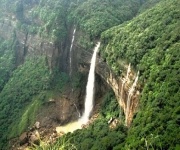
Mawsmai Cave lies in the village of Mawsmai, a short drive from central Sohra. It is generally visited alongside Nohkalikai Falls, Seven Sisters Falls, Eco Park and other viewpoints in the Cherrapunjee area. The attractions are close enough to combine in a day, although heavy rain, traffic and roadside stops can extend travel times.
Most visitors reach Sohra by road from Guwahati, Assam. The drive commonly takes around four to five hours in reasonable conditions, though roadworks, fog and monsoon weather can make it longer. Travellers arriving through Shillong may have a shorter final journey, depending on their flight and road connections. Private cars and organised tours are more practical than relying on infrequent public transport for a full sightseeing circuit.
Australian visitors often plan around flights from Sydney, Melbourne, Brisbane or Perth to major Indian gateways such as Delhi, Kolkata or Guwahati. Guwahati is usually the most convenient arrival point for Meghalaya, but flight schedules and fares change regularly. Build in a buffer after landing rather than booking a tightly timed road transfer.
What The Cave Visit Is Really Like
The public route through Mawsmai Cave is relatively short, yet it can feel demanding because the passage changes constantly. You may walk upright in one chamber, crouch under a low roof in the next, and carefully negotiate a narrow, wet section afterwards. The rock is naturally irregular, with projections and slippery patches that are easy to overlook when concentrating on photographs.
There is limited space for people moving in opposite directions. During weekends, Indian school holidays and peak travel periods, groups may gather at constricted points. Patience matters: allow people to pass where possible, keep your daypack close to your body and avoid stopping in the narrowest sections.
The cave is naturally dark beyond the entrance, although visitor areas may have basic lighting or illumination from guides and other visitors. Do not assume every detail will be clearly visible. A small torch can be useful, but use it discreetly and never shine it into another person’s eyes. The atmosphere is humid, cool compared with the road outside and often marked by dripping water.
Choosing The Right Time To Go
Meghalaya receives some of the heaviest rainfall on Earth, particularly during the southwest monsoon. From roughly June to September, roads can be slick and sightseeing plans may change quickly. Rain can make the cave entrance and approach more slippery, while waterfalls and surrounding vegetation look especially dramatic.
The drier period, broadly from October to May, is usually easier for road travel and outdoor touring. December and January can bring cooler mornings, especially in the hills, while spring often offers pleasant conditions. There is no guaranteed weather window, so a waterproof layer remains useful at any time of year.
For Australians used to planning around school holidays, remember that local demand may follow Indian holidays and festival periods rather than the Australian calendar. Weekends can be lively, and popular attractions near Sohra may become crowded. Early morning visits generally offer a calmer experience and softer light around the surrounding viewpoints.
Clothing, Footwear And Personal Safety
Wear shoes with a firm, textured sole and a secure heel. Trail shoes or lightweight hiking shoes are preferable to thongs, fashion sneakers or smooth-soled trainers. Australian travellers may casually use sandals for warm-weather sightseeing, but Mawsmai Cave is one place where that habit can increase the chance of slipping or stubbing a toe.
Choose quick-drying trousers or longer shorts, a breathable shirt and a light waterproof jacket. Avoid loose scarves, dangling jewellery and large backpacks that can catch on projections. A small dry bag or waterproof phone pouch protects valuables from drips and sudden rain outside.
Move slowly and keep three points of contact when a passage becomes awkward. People with significant mobility limitations, claustrophobia, serious knee problems or difficulty crouching should consider whether the route is appropriate. Children need close supervision, particularly where rocks are wet or the ceiling is low.
Respect the cave as a living natural environment. Do not touch formations unnecessarily, scratch names into the limestone, leave rubbish or raise your voice in enclosed sections. Local customs and religious sensitivities also deserve consideration; modest clothing and courteous behaviour are appropriate throughout Meghalaya.
Tickets, Guides And Practical Arrangements
Entry charges, opening hours and visitor rules can change, so confirm current details with your accommodation or tour operator before setting out. Carry Indian rupees in small denominations because card terminals, mobile reception and online payment services may not work consistently near rural attractions. India’s UPI system is widespread, but international visitors cannot always use it without a compatible Indian banking arrangement.
A local guide may add useful context about the cave, geology and nearby Khasi communities. Even when a guide is not required, staying with an organised group can make the route easier to navigate and reduce confusion at busy points. Agree on any guide or transport price before the service begins, and keep emergency contact details offline.
Do not plan the cave as the final activity before an important flight. Roads around Sohra can be slow, and rain may alter departure times. A practical itinerary gives the cave a place within a wider day tour, leaving flexibility for viewpoints, waterfalls and meal stops rather than treating every stop as a fixed appointment.
Accommodation can range from hotels and resorts to distinctive local stays. If you want your time in the Khasi Hills to include a more community-oriented experience, consider a Khasi bamboo hut stay before or after visiting the cave. Staying locally also reduces the pressure of returning to Guwahati on the same day.
Australian Travel And Entry Details
Australian passport holders generally need an Indian visa before arrival, with an e-Visa often used for tourism when the traveller meets the current conditions. Passport validity, entry points, permitted activities and application requirements can change. Check the official Indian visa system and the Australian Government’s Smartraveller advice before paying for flights or submitting an application.
Meghalaya is part of India, and ordinary leisure visitors do not usually need a separate tourist permit for the state. Requirements can vary for particular border areas, long stays, professional activities or changes in local policy. Keep digital and printed copies of your passport, visa, insurance details and accommodation information.
Australian consumer habits may need adjustment. India uses 230-volt electricity and commonly uses Type C, D or M sockets, while Australian devices use Type I plugs. Bring a universal adaptor and avoid assuming that every hotel room has reliable backup power. Tap water should generally be avoided for drinking; use sealed bottled water and check that the cap is intact.
Travel insurance should cover medical treatment, evacuation, missed connections and activities involving uneven terrain. Australia’s Medicare system does not cover ordinary medical costs in India. Prescription medicines should remain in original packaging, with a copy of the prescription or a doctor’s letter where appropriate, and travellers should check Indian import rules for controlled medicines.
Food, Cash And Local Etiquette
Sohra has restaurants and roadside eateries serving Khasi, Indian and familiar tourist meals, but choices become more limited near individual attractions. Carry a small snack if you have dietary requirements or are travelling with children. Vegetarian food is widely available, while travellers wanting specific allergy-safe preparation should explain their needs clearly and allow extra time.
The local market is more cash-oriented than everyday shopping in Sydney or Melbourne. Australian visitors are accustomed to tapping a card almost everywhere, but small stalls, parking areas and roadside vendors may accept only notes. Withdraw or exchange money in a larger town, and keep cash divided between a wallet and a secure day bag.
Mealtimes and service may feel less structured than at home. A relaxed pace is normal, and a short wait does not necessarily indicate a problem. Ask before photographing people, homes or vendors, and avoid treating local residents as background scenery. In villages, dress modestly and follow any signs or instructions concerning private land.
Tipping is not governed by a single Australian-style expectation. At a restaurant, check whether a service charge has already been added and use your judgement for good service. For drivers and guides, a modest tip is appreciated when the service has been helpful, but it should reflect the agreed arrangement rather than pressure from strangers.
A Sensible Day-Trip Checklist
Use this compact checklist before leaving your hotel or resort:
- Wear grippy, closed footwear and clothing that allows easy crouching.
- Carry a light rain jacket, water, small snacks and a waterproof phone pouch.
- Bring Indian rupees in small notes, even if your tour includes transport.
- Save your hotel address, driver’s number, visa copy and travel insurance details offline.
- Check weather, road conditions, opening information and local restrictions that morning.
- Leave space in the itinerary for queues, traffic, rain and unplanned viewpoint stops.
Sohra’s attractions reward a flexible schedule. If rain makes the cave entrance unsafe or visibility poor, your driver or tour operator may suggest changing the order of stops. Follow local safety advice rather than insisting on a fixed photograph or timetable.
The most enjoyable visit comes from treating Mawsmai Cave as a natural Khasi Hills experience rather than a quick tick on a sightseeing list. Prepare for damp rock, narrow spaces and changing weather, then give yourself time to notice the limestone formations and the forested landscape beyond the entrance.
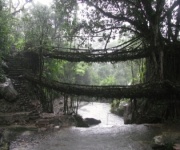
For a smoother Cherrapunjee holiday, review available tour packages, accommodation and transport arrangements through Cherrapunjee.net before travelling. A well-planned multi-day stay makes it easier to visit Mawsmai Cave without rushing and leaves room for Meghalaya’s waterfalls, viewpoints, caves and living root bridges.