





Where to Stay in Sohra: A Breakdown of Resorts, Homestays, and Hotels
Cherrapunjee, more commonly written as Sohra today, sits on the southern edge of Meghalaya's Khasi Hills and is one of the wettest inhabited places on earth. Travellers flying out of Sydney or Melbourne during the Australian winter often look for a destination that trades grey skies and freezing mornings for misty cliffs and living root bridges. Sohra fits that brief nicely, with monsoon-fed waterfalls, deep limestone caves, and a pace of life that feels refreshingly slow compared to Brisbane's riverside rush.
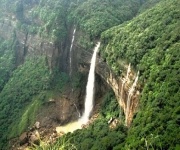
Picking the right place to sleep in Sohra shapes the entire experience. A hilltop resort puts you within walking distance of the Nohkalikai Falls viewpoint, while a family-run homestay places you inside the rhythm of Khasi village life. This guide walks through the main accommodation categories available in and around town, along with practical notes on pricing, food, and access, so Australian visitors can match their stay to the kind of trip they want.
Most properties sit between 1,300 and 1,500 metres above sea level, which means cooler nights than you might expect from an Indian destination. Pack a light jumper even in summer, and keep in mind that monsoon season runs from May to September, turning the area into a literal rain magnet. Booking ahead is sensible during those months, especially if you plan to travel in July or August.
Resorts on the Sohra ridge and beyond
Resorts in Sohra tend to cluster around the Cherrapunjee Holiday Resort area and the ridge road leading toward Mawsmai. These properties usually offer en-suite rooms with balconies, on-site restaurants serving Indian and continental dishes, and views that stretch across the Bangladesh plains on a clear day. For Australians comparing notes with a trip to Cairns or the Atherton Tablelands, the green, layered landscape will feel familiar, but the architecture and food are distinctly Northeast Indian.
Mid-range resorts in Sohra typically charge between AUD 90 and AUD 160 per night for a double room during the dry months. That figure rises sharply between October and February, when domestic tourism peaks. Most resorts include breakfast in the rate, and evening meals can be ordered from a set menu featuring Khasi staples such as jadoh (rice cooked with meat and spices) and doh khlieh (a pork salad). Travellers who enjoy a hot meal after a day of waterfalls will find the portions generous by Australian hotel standards.
A handful of boutique properties have opened in recent years on the road toward Mawlynnong, the village often cited as Asia's cleanest. These places lean into eco-design, with solar hot water, locally quarried stone walls, and small private decks overlooking bamboo groves. They suit couples and small families who want quiet rather than nightlife, which fits Sohra's general atmosphere perfectly. The same road also leads toward the legendary cascades described in the legend of the seven sisters waterfall, a short detour that pairs well with a resort stay near the ridge.
Homestays with Khasi families
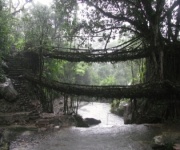
Homestays are the most authentic way to experience Sohra, and they have grown steadily as more Khasi families open spare rooms to visitors. Accommodation is simple: a clean bedroom, often with an attached bathroom, and shared meals with the household. Hosts frequently speak English, particularly in villages around Laitkynsew and Nongriat where trekkers pass through on their way to the double-decker root bridge.
The biggest draw of a homestay is the access it provides to local knowledge. Families will point out edible plants in the surrounding forest, explain which sections of a root bridge were trained by which ancestors, and arrange bonfire dinners with rice beer. Australians used to the formal service at hotels in Perth or Adelaide sometimes find the informality surprising at first, but most warm to it quickly once the conversation gets going. Tipping is not expected, though bringing a small gift from home, such as a regional tea or a jar of something from your local market, is warmly received.
Pricing for homestays is refreshingly modest, generally between AUD 25 and AUD 60 per night including all meals. That makes them a strong option for backpackers and slow travellers arriving from longer Indian itineraries. The trade-off is comfort: hot water can be inconsistent, mobile signal drops in and out, and Wi-Fi is rare. Travellers who treat those quirks as part of the adventure tend to have the best stays. Booking through a local operator with verified host families is the safest route, especially for solo female travellers, who form a noticeable share of the Australian visitor demographic.
Budget hotels and guesthouses in town
For visitors who want a private room with predictable amenities without the resort price tag, Sohra has a small but reliable pool of budget hotels and guesthouses. These cluster near the main market and the road junction where shared taxis arrive from Shillong. Rooms typically include a bed, a TV, an attached bathroom with hot water, and a window facing either the valley or the inner courtyard.
Rates usually range from AUD 30 to AUD 70 per night, which lines up well with what an Australian traveller might pay for a basic motel room in regional New South Wales. The main limitation is the food: many budget properties do not run a restaurant, so guests rely on nearby dhabas and small eateries. That can actually be a bonus for food-minded travellers, since it pushes you toward places serving freshly cooked Khasi and Bengali dishes rather than standard hotel buffets.
A practical point for anyone weighing this option: budget hotels in Sohra fill up fast during school holidays, both Indian and Australian. Families planning around the southern hemisphere calendar should book at least a month ahead for travel between mid-December and late January. Noise can also be an issue in the market area, especially on Saturdays when traders come in from surrounding villages, so asking for a room at the back of the building is a worthwhile request.
Choosing the accommodation that fits your style
Different travellers value different things, and Sohra offers enough variety that the right base really depends on what you want from the trip. The comparison below highlights the main differences across the three categories.
| Feature | Resort | Homestay | Budget hotel |
|---|---|---|---|
| Typical nightly rate (AUD) | 90–160 | 25–60 | 30–70 |
| Private bathroom | Always | Usually | Always |
| On-site restaurant | Yes | No (meals with family) | Limited |
| English spoken by staff | Yes | Varies | Yes |
| Wi-Fi availability | Common | Rare | Sometimes |
| Best for | Couples, comfort seekers | Cultural travellers, trekkers | Budget-conscious, short stays |
| Closest major attraction | Nohkalikai viewpoint, Mawsmai cave | Nongriat root bridge, village walks | Cherrapunjee market, taxi stand |
For most Australian visitors, a hybrid approach works well: a couple of nights at a resort to recover from the road from Guwahati, then a homestay for the trekking-heavy middle of the trip. That pattern is increasingly common and tends to balance comfort with immersion.
Practical pointers for booking and packing
Booking through a known local tour operator removes most of the uncertainty around Sohra accommodation, since smaller properties rarely list on international platforms. Australian travellers can arrange packages that bundle airport pickup in Guwahati, transfers through Shillong, and confirmed rooms across both resorts and homestays. Confirming the meal plan in writing avoids the small surprises that sometimes come with rural bookings.
A short list of useful points for a smooth stay:
- Carry a light fleece or rain jacket year-round, as evening temperatures drop quickly on the ridge.
- Bring sturdy shoes with grip for slippery limestone and root-bridge trails, especially after rain.
- Keep a small amount of Indian rupees in cash, as card acceptance is limited outside resorts.
- Download offline maps before leaving Shillong, since mobile data drops in many homestay locations.
- Confirm whether your stay includes hot water, particularly for budget hotels where it is often solar-heated.
- Mention dietary needs in advance, as Khasi cooking relies heavily on pork and fermented ingredients.
Sohra rewards travellers who plan with a little patience. The combination of dramatic landscapes, warm village hospitality, and accommodation choices that suit most budgets makes it a strong addition to any wider North-East India itinerary. Australian visitors often pair a few days here with time in Shillong or a longer loop through Kaziranga, and the variety of places to stay means the trip can lean as relaxed or as adventurous as you like.
Ready to sort the details? Reach out to India Beacons Sojourn through the contact page on this site to enquire about available packages, current room availability, and the best match for your travel dates. The team can also help with the inner-line permits sometimes required for nearby border areas, and they can advise on the most reliable flight routes from Australian gateways like Sydney and Melbourne through Delhi or Kolkata to Guwahati.