




A Visit to the Ramakrishna Mission in Cherrapunjee
A visit to the Ramakrishna Mission in Cherrapunjee offers a quieter, more reflective experience than the region’s famous waterfalls and viewpoints. Set in and around Sohra, the historic name for Cherrapunjee, the mission is associated with education, service, spiritual life, and the preservation of local culture. Its peaceful surroundings provide an opportunity to understand another important side of Meghalaya.
The institution is especially significant because it connects the teachings of Swami Vivekananda and the Ramakrishna Order with the needs of the local community. Visitors may encounter a prayer space, educational buildings, cultural displays, and a calm campus atmosphere, although access to particular areas can depend on the day, school activity, religious observances, or local guidelines.
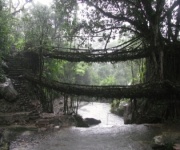
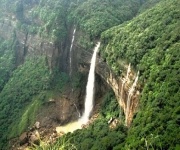
A stop here works well during a wider Sohra itinerary. Waterfalls, caves, living root bridges, and forest trails show the landscape at its most dramatic; the mission adds history, learning, and a glimpse into the social fabric of the hill station. Visitors should allow enough time to explore respectfully rather than treating it as a rushed photo stop.
The Mission’s Place In Sohra
The Ramakrishna Mission in Cherrapunjee is closely associated with Nongsawlia, an area known for its historic links with education and Christian and Hindu institutions. The mission’s work has included schooling, community service, cultural education, and the encouragement of moral and intellectual development. In a remote hill region where access to education was once limited, such institutions played a meaningful role in expanding opportunity.
The mission also reflects the layered history of Sohra. Long before modern tourism developed, Cherrapunjee was an important Khasi settlement and later became a British hill station. Reading about Cherrapunjee’s colonial past before visiting can help place the mission within the wider story of the town, including its schools, churches, administrative buildings, and changing cultural influences.
Its setting is part of the appeal. Sohra’s mist, steep slopes, moss-covered surfaces, and abundant rainfall create a distinctive atmosphere around the campus. The weather can change quickly, so the same grounds may appear bright and open in the morning, misty by midday, and rain-soaked later in the afternoon.
What Visitors May See
The most visible feature for many visitors is the mission campus itself, where a simple and orderly environment contrasts with the busy roads connecting Sohra’s attractions. Depending on the section open to the public, visitors may see the shrine or prayer area, landscaped spaces, educational facilities, and buildings connected with the mission’s service activities.
Some travelers also visit the cultural or tribal museum associated with the institution. Displays may include traditional clothing, household objects, agricultural tools, musical instruments, crafts, and other items representing the heritage of Meghalaya and northeastern India. Exhibits can change, and not every room is necessarily open at all times, so a local check is sensible before planning the visit around a particular collection.
Photography etiquette matters. Religious spaces, classrooms, staff areas, and people engaged in prayer or work should not be photographed without permission. A quiet walk, attentive observation, and a modest dress style are more appropriate than loud conversation or hurried group movement.
Planning The Visit
The mission can be combined with nearby Sohra attractions in a half-day or full-day route. Travelers staying in Cherrapunjee may visit in the morning, then continue toward waterfalls and scenic areas. Those arriving from Shillong should account for road conditions, traffic, weather, and the time required for stops along the way.
There may be restrictions on entering certain buildings during school hours, worship, examinations, holidays, or special events. Opening arrangements and visitor access can change, so confirm locally through the mission, accommodation provider, or tour operator. It is also wise to carry a light rain jacket, comfortable shoes, drinking water, and a small umbrella.
| Visit Consideration | Practical Guidance |
|---|---|
| Location | Nongsawlia area of Sohra, commonly known as Cherrapunjee |
| Time needed | Around one to two hours for a relaxed visit, depending on access |
| Best approach | Combine it with nearby cultural, scenic, or historical stops |
| Clothing | Modest, comfortable clothing suitable for a religious and educational campus |
| Weather | Expect rain, mist, slippery paths, and quick changes in visibility |
| Photography | Ask permission in prayer areas, museums, classrooms, and around residents |
| Transport | Private car, local taxi, or an organized Meghalaya tour offers the most flexibility |
| Confirmation | Check current visiting arrangements before setting out |
For families, the mission can be a useful break from long drives and outdoor walks. Children may engage with cultural objects, stories of service, and the setting’s educational character, provided the visit is explained in advance and conducted patiently. Travelers planning a wider family itinerary can also consult this guide to planning a multigenerational trip, particularly when balancing different ages and activity levels.
The Cultural And Educational Experience
A visit becomes more meaningful when it is approached as a cultural experience rather than simply another landmark. The mission represents an effort to connect spiritual values with practical service. Its educational role is particularly relevant in a region where communities are spread across difficult terrain and where schools have historically served as important centers of social development.
Visitors may notice how the institution differs from commercial tourist sites. There may be no elaborate entrance experience, entertainment program, or large shopping area. Instead, the atmosphere is subdued and purposeful. The value lies in observing the architecture, learning about the organization’s local work, and understanding how religious institutions can contribute to education and community life.
The surrounding Khasi context should remain central to the visit. Meghalaya has many distinct communities, languages, traditions, and faith practices. The mission is one part of a diverse cultural landscape, not a substitute for learning about Khasi history or meeting local people respectfully. A knowledgeable guide can provide useful context while avoiding oversimplified explanations of regional identity.
Respectful Visitor Guidelines
The mission is a functioning institution rather than a sightseeing attraction designed solely for tourists. Visitors should keep voices low, follow signs, avoid restricted areas, and allow students, teachers, residents, and worshippers to continue their routines. If a ceremony is taking place, observing quietly from an appropriate position is preferable to walking through the space.
Shoes may need to be removed in designated areas, and some rooms may have specific rules regarding bags or photography. A small donation may be accepted for charitable or institutional activities, but travelers should use discretion and follow any official arrangements. Do not assume that every person on the campus is comfortable being photographed.
A few simple habits can make the experience smoother:
- Confirm visiting hours and accessible areas before arrival.
- Dress modestly and choose shoes that are easy to remove if required.
- Carry rain protection because Sohra weather can shift rapidly.
- Ask before taking photographs of people, exhibits, worship spaces, or school activities.
- Leave enough time for a quiet visit instead of combining it with an overly crowded schedule.
These guidelines are especially important during festivals, examination periods, religious observances, and school functions. Local directions should take priority over older online information because campus arrangements may change without extensive public notice.
Combining The Mission With A Sohra Holiday
The Ramakrishna Mission fits naturally into a Cherrapunjee holiday focused on both landscape and heritage. A day might include the mission, a local meal, a viewpoint, and one or two nearby waterfalls. On another day, travelers could explore caves, forest paths, or a living root bridge, leaving the mission as a calm cultural stop between more physically demanding activities.
The wider area rewards flexible planning. Heavy rain can make a trail slower, reduce visibility at a viewpoint, or change access to a waterfall. Rather than filling every hour with distant attractions, allow time for weather delays and unplanned local discoveries. This is particularly helpful for older travelers, young children, and anyone who prefers a slower pace.
Accommodation in Sohra ranges from hotels and guesthouses to resorts with views of the surrounding hills. Staying locally makes it easier to visit the mission without rushing from Shillong and gives travelers more time to explore the town after the roads become busy. Tour packages of several nights can also combine Sohra with Shillong and other Meghalaya destinations, creating a more balanced journey.
The mission is best understood as part of a broader travel story: the natural environment shaped local life, education helped connect communities, and religious and cultural institutions became woven into the history of the hill station. A thoughtful visit adds depth to a trip that might otherwise focus only on scenery.
A stay in Cherrapunjee can include the Ramakrishna Mission alongside waterfalls, caves, heritage sites, and living root bridges. For current package details, accommodation options, transport arrangements, and help building an itinerary around your interests, contact India Beacons Sojourn through Cherrapunjee.net and make this meaningful cultural stop part of your Meghalaya journey.