





Safe Swimming in Cherrapunjee’s Natural Pools
Cherrapunjee, also known as Sohra or Cherrapunji, is famous for rain-fed landscapes, forested valleys, limestone caves, waterfalls, and clear pools formed along mountain streams. These settings can be tempting places to cool off after a walk, but a natural pool is very different from a supervised swimming area. Water levels, currents, rocks, and visibility can change quickly.
A safe visit begins before you leave your resort or hotel. Check the forecast, ask local guides about current conditions, and confirm whether swimming is permitted at the site. Some pools are suitable only for viewing, while others may be safe for wading but too deep or turbulent for swimming.
The most rewarding experience comes from treating the landscape with care. Follow marked paths, respect community instructions, avoid entering restricted areas, and leave no soap, plastic, food packaging, or other waste near the water. A little preparation allows you to enjoy Meghalaya’s scenery without underestimating its natural hazards.
Understand The Water And Surroundings
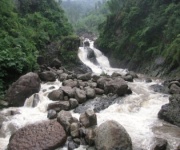
Natural pools often appear calm because the surface is smooth, but underwater conditions may be far more complicated. A pool can contain submerged boulders, narrow channels, sudden drop-offs, slippery ledges, or branches carried downstream. Clear water does not always reveal the full depth, especially where shadows from cliffs or vegetation cover the bottom.
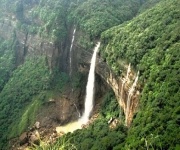
Waterfalls and stream-fed pools deserve special caution. The area directly below a cascade may have a strong downward current, while water flowing out of the pool can pull swimmers toward rocks or a constricted channel. Never assume that a shallow-looking edge remains shallow farther in, and avoid jumping or diving unless the depth and bottom have been professionally assessed.
Watch the banks as carefully as the water. Moss-covered stones, wet roots, and loose gravel can cause a fall before you even enter the pool. Keep both hands free when approaching the water, use stable footholds, and avoid climbing behind waterfalls or onto overhanging rocks for photographs.
Check Weather, River Flow, And Access
Rainfall is one of the defining features of Sohra, and conditions can change rapidly in the hills. Heavy rain upstream may cause a pool to rise or become turbulent even when the sky above you looks bright. Darkening clouds, distant thunder, a sudden increase in flow, floating leaves, or muddy water are all reasons to leave the water and move to higher ground.
Ask a local guide, attraction staff member, or knowledgeable resident about recent rain and the safest access route. A place that was calm during a dry spell may be unsafe after a storm. Do not cross a stream to reach a pool if the water is fast, above ankle height, or pushing against your legs; wait for guidance or choose another site.
Access trails can be steep, exposed, and slippery during the monsoon. Wear shoes with reliable grip rather than smooth-soled sandals, and allow extra time for the return journey. If a guide advises against swimming, accept that decision even if other visitors appear to be entering the water.
Assess Your Swimming Conditions
Only enter a natural pool if you are a confident swimmer and conditions are visibly stable. A companion should remain nearby and stay out of the water if possible, so someone can call for help or guide you back to shore. Children and inexperienced swimmers should remain in shallow water within arm’s reach of a responsible adult.
Do not swim after drinking alcohol, taking medication that affects alertness, or undertaking an exhausting hike without resting and hydrating. Cold mountain water can lead to cramping, rapid breathing, or loss of strength. Enter gradually, notice how your body reacts, and leave immediately if you feel numbness, dizziness, unusual fatigue, or difficulty controlling your breathing.
The safest swimming area is usually a broad, shallow section away from the waterfall, outflow, and unstable edges. Stay close enough to the bank to exit easily, and avoid swimming alone, at night, in poor visibility, or during active rainfall. A waterproof phone pouch can protect a device, but it should never distract you from changing conditions.
| Condition | Safer approach | When to stay out |
|---|---|---|
| Water clarity | Check the bottom from shore and enter slowly | Murky water hides rocks, holes, and debris |
| Current | Remain in a quiet, shallow section | Fast flow, swirling water, or strong outflow |
| Weather | Monitor the sky and recent rainfall | Thunder, heavy rain, or rising water |
| Entry point | Use a stable, established bank | Mossy ledges, loose rocks, or steep drops |
| Swimming ability | Stay near shore with a companion | Fatigue, cramps, intoxication, or panic |
| Local guidance | Follow guides and site notices | Swimming is prohibited or the site is closed |
Use Sensible Safety Equipment
A compact safety kit makes a day around waterfalls and pools more manageable. Bring drinking water, a small first-aid kit, a whistle, a charged phone, and a power bank. Keep valuables secured in a dry bag, and carry a light rain layer because showers can arrive quickly in Meghalaya.
Footwear matters more than fashionable beach equipment. Water shoes or sturdy sandals with a firm heel strap can help on wet surfaces, while hiking shoes are better for the approach trail. Avoid walking barefoot on a rocky streambed, since sharp stones, broken branches, and small aquatic animals may be difficult to see.
Sun protection is still useful during cloudy weather, and insect repellent can make time near forested water more comfortable. A towel and a dry change of clothes prevent a wet journey back to your vehicle or accommodation. Pack all items in reusable containers and take every item of waste away from the site.
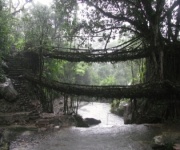
Photography should never take priority over footing or awareness. If you are exploring living root bridges and nearby waterways, the practical advice in photographing living root bridges is a useful reminder that rain, slippery surfaces, and equipment need to be managed together.
Protect Your Health In Natural Water
Natural water can contain microorganisms, animal waste, and runoff from the surrounding land. Do not swallow it, rinse your mouth with it, or use it to clean contact lenses. Cover cuts and grazes with waterproof dressings, and avoid entering the pool if you have an open wound or a skin infection.
Rinse off with clean water after swimming and change out of wet clothing when possible. Wash your hands before eating, especially if you have touched rocks, trail surfaces, or shared equipment. Avoid applying shampoo, body wash, sunscreen in excessive amounts, or detergent in the pool; these products can damage a fragile freshwater environment.
Check yourself for small cuts, ticks, or leeches after leaving a forested stream area. A leech attached to the skin is generally removed by gently loosening it rather than pulling forcefully. Seek medical care for a deep wound, persistent bleeding, signs of infection, breathing trouble, or an allergic reaction.
Respect Local Rules And The Landscape
Many swimming spots lie near villages, sacred areas, protected forests, or attractions managed by local communities. Signs and barriers may protect visitors from hazards that are not obvious from the viewpoint. Follow instructions about clothing, photography, access hours, and whether bathing or swimming is allowed.
Good travel etiquette also protects the character of the destination. Change clothes discreetly, avoid loud music, do not climb on cultural or natural structures, and give other visitors room. The same principles apply when stopping for refreshments; after a walk, you can enjoy local tea and snacks without bringing disposable packaging back to a waterfall or pool.
Never feed animals, disturb aquatic life, or collect stones, plants, or shells. Keep to established paths and use toilets where available. If a site has no facilities, plan responsibly and carry suitable waste back with you rather than leaving it near the water.
Practical Habits For A Safer Day
A short safety routine is easier to follow when it is decided before reaching the attraction. Share your itinerary with someone at your accommodation, keep emergency contacts accessible, and confirm how long the walk and return route will take. In areas with weak mobile coverage, a guide is especially valuable.
Use these habits when planning a swim or a cautious wade:
- Check recent rainfall, the same-day forecast, and local advice before entering the water.
- Choose a shallow, calm section with a clear exit and never swim alone.
- Wear secure footwear, carry a dry bag and first-aid kit, and keep your phone charged.
- Leave immediately if the water rises, becomes cloudy, or starts moving faster.
- Take all rubbish with you and follow every site, community, and guide instruction.
A responsible guide can also help distinguish a safe viewing point from a dangerous crossing or pool. When arranging a Cherrapunjee tour, ask whether the itinerary includes water activities, what conditions are expected, and what equipment is supplied. That information helps you pack appropriately instead of making a risky decision after arriving.
Make Every Water Stop A Safe One
Natural pools can add a memorable pause to a Meghalaya journey, but there is no need to enter the water to appreciate a waterfall, forest stream, or rain-carved valley. Choose caution over curiosity when the conditions are uncertain, and let local knowledge determine whether swimming is appropriate.
For a safer Cherrapunjee holiday, plan your routes, accommodation, guides, and nature stops with a local travel specialist. Contact India Beacons Sojourn through Cherrapunjee.net to arrange a suitable itinerary and enjoy Sohra’s waterfalls, caves, living root bridges, and scenic viewpoints with safety built into every day.