





A Traveller's Guide to Sohra Town Center Street Food
The cluster of food stalls around the Sohra bazaar pulses with a rhythm quite unlike the polished brunch spots lining Brunswick Street in Melbourne or the harbourside cafés of Sydney's Circular Quay. Travellers stepping out of a long-haul flight from Tullamarine or Kingsford Smith into the cool, cloud-tangled air of Meghalaya quickly learn that street food here is not an afterthought but a daily theatre. Steaming pots, charcoal grills the size of hubcaps, and women balancing towers of bamboo steamers weave between parked Boleros and the occasional tour van. The setting is the heart of Cherrapunjee itself, shortened in conversation to Sohra, where the wettest place on earth still manages to throw a remarkable lunch.
Australians who grew up sampling pho in Cabramatta, yum cha in Chatswood, or the Saturday morning farmers' markets in Adelaide will recognise the social role of street food instantly. The difference lies in the ingredients and the weather. Where a Sydney food court offers barramundi and poke bowls, Sohra offers smoked pork, fermented soybean, and rice preparations shaped by Khasi kitchens that predate colonial borders. Spices are gentler at breakfast and bolder by dinner, which suits visitors whose palates are still recalibrating after twenty hours of inflight air conditioning.
Much of the food scene revolves around a central strip within walking distance of the police station, the post office, and the taxi stand that connects Sohra to Shillong, roughly fifty kilometres away. Travellers planning a longer circuit that includes Thangkharang Park can pair the morning at the viewpoints with an afternoon wandering the stalls. This rhythm is what makes Cherrapunjee such a rewarding stop on a North East India itinerary, with the local economy quietly geared around small groups spending two to four hours on foot before retreating to a nearby resort or homestay.
Morning steam, black tea and the Khasi breakfast tradition
The earliest stalls open before seven, when mist still clings to the valley and the streetlights glow amber through it. Pukhlein, a golden rice flour fritter sweetened with jaggery, sizzles in shallow oil while tiny mounds of steamed rice cakes called putharo emerge from conical bamboo tubes. These two items form the cornerstone of a Khasi breakfast and are eaten across Meghalaya in Shillong, Mawsynram, and Jowai. They pair with a tea brewed strong, dark, and unhurried, served either in a small glass tumbler or a clay cup that visitors are encouraged to leave behind.
For an Australian visitor accustomed to flat whites and oat milk in Brisbane's Fortitude Valley, the morning tea ritual in Sohra can feel almost ceremonial. Most vendors pour a second cup without asking, and tipping is rare but a small handful of rupees is appreciated. Pukhlein travels particularly well, which is why seasoned visitors tuck a paper parcel into their daypack before heading out to the waterfalls or, on quieter days, exploring the lesser-visited limestone passages tucked beyond the more famous show caves. A fried snack keeps energy steady on the bumpy roads.
The breakfast stalls also sell yellow split pea dumplings, plain or stuffed with ginger, that resemble a softer cousin of the vada familiar to anyone who has eaten at a Melbourne or Sydney Indian-Australian bakery. Prices are remarkably modest. A full breakfast with tea, putharo, pukhlein, and a boiled egg rarely crosses the equivalent of a few Australian dollars at current exchange rates, making it one of the great bargains of the trip and a strong reason to wake early.
Pork, smoked meat and the hearty lunch plates
By eleven o'clock the morning stalls shift to lunch. Pork appears in many forms, and for Australian travellers who have eaten their way through Adelaide's pig-and-pork bar scene or the smoked brisket joints of Perth, the Khasi preparation still feels distinctly unfamiliar. The signature dish is dohkhlieh, a pork salad tossed with onions, green chilli, ginger, and sometimes roasted sesame, eaten warm or at room temperature with rice and a clear broth. The heat of the chilli is balanced by the fats rendered from the meat.
Further along the strip, vendors grill skewers of pork stomach, liver, and intestines over coals, seasoning them with local salt and a coarse chilli blend called marcha. Adventurous eaters from Sydney's Inner West or Melbourne's Footscray will recognise the appeal of offal, but the Khasi version is less greasy and more aromatic thanks to generous lemongrass, garlic, and fresh turmeric root. Vegetarians need not feel excluded, as several stalls serve a thick, smoky pumpkin curry alongside fried rice and a tangy tamarind chutney.
Lunch plates are typically assembled on a banana leaf or steel thali and eaten on shared benches under tarpaulin. Hygiene standards are comparable to a busy hawker centre in Singapore, which Australian travellers tend to find manageable. Bottled water is the safest option, and most hotels and homestays provide a refillable bottle for the day. Salads and unpeeled fruit are best avoided during the first forty-eight hours while the stomach adjusts.
Snacks, sweets and the afternoon lull
The early afternoon brings a quieter phase as stallholders take their lunch and a steady drizzle rolls in. This is when the sweet shops and snack kiosks come into their own. Flaky pastries filled with coconut and jaggery, labelled shaphaley on the board, sit beside trays of bright yellow narikol laddu, coconut balls bound with condensed milk and cardamom. The flavours are closer to the sweet pastries of Sri Lankan bakeries in Granville than to anything overtly Indian, which is part of what makes Sohra's dessert culture distinctive.
Travellers with a sweet tooth who have queued for cronuts in Surry Hills or cinnamon scrolls in Newtown will find the Khasi range refreshingly light. Most sweets rely on coconut, rice flour, and jaggery rather than refined sugar or ghee, making them easier on the stomach after heavier meals. Paper bags of roasted rice flakes, mixed with fried lentils and dried chilli, are sold for eating on the move and pair well with a glass of tamarind water from the cart across the lane.
Khasi-style momos also appear at this hour, dumplings filled with pork, chicken, or vegetables and served with a tomato-based chilli sauce that carries more tang than heat. They make an excellent afternoon snack for visitors returning from a half-day walk to the smaller waterfalls east of town. A small but growing presence of Maggi noodle stalls, where instant noodles are cooked with local vegetables, an egg, and lime, has become part of the everyday repertoire.
Tea houses, local brews and warm corn in the evening
Evenings in Sohra tend to be cool even in summer, and warm drinks make a quick comeback. Corn on the cob grilled over charcoal and brushed with lime, salt, and chilli is one of the most popular evening snacks, sold from carts stationed near the taxi rank and outside a couple of the larger resorts. Australians who have enjoyed Mexican elote-style corn at food truck festivals around Perth or Hobart will find the Khasi version less creamy but more sharply spiced.
The tea houses themselves are modest affairs, often three or four benches under a tin roof with a single kettle kept perpetually warm. Alongside black tea, several stalls serve a local rice beer called kyat, fermented in open jars and ladled into small bamboo cups. It is mildly alcoholic with a tangy profile that catches travellers off guard. For Australians used to the regulated craft beer scene of Byron Bay or the wine regions of Margaret River, kyat is an entirely different proposition. Drinking it is generally safe when the jar is freshly tapped, but visitors with a sensitive stomach should approach cautiously and avoid mixing it with rich pork meals.
Tapri, or open-air tea stalls, also serve small savoury biscuits, roasted gram, and a sharp green chilli pickle. Conversations with stallholders often wander into local politics, the price of ginger that season, or the latest football scores from Shillong's premier league. English is widely spoken in the central area, although a few words of Khasi or Hindi go a long way. It is also worth remembering that Australia has strict biosecurity rules on bringing food products home. The Department of Agriculture, Fisheries and Forestry enforces these rules at every international airport, and travellers are advised to finish any snacks before re-entering the country. Dried herbs, loose tea, and unsealed meat products will be confiscated on arrival.
Eating well without missing the sights
Visitors who plan their Sohra itinerary around the food tend to enjoy the town far more than those who treat meals as fuel. The bazaar is small enough to cover on foot in twenty minutes, but it rewards unhurried wandering, especially after a morning spent at the high-altitude viewpoints that ring the centre. Many of the best stalls are clustered within a hundred metres of each other, making it easy to order a series of small plates across two or three vendors rather than committing to a single meal.
Cash is essential. Indian mobile payment apps like UPI and Paytm are accepted at some stalls, but the network in Sohra can be patchy during heavy monsoon showers. Australian travellers should carry a small float of rupees and break larger notes early, as change is not always available. Most stalls close by nine in winter and ten in summer, and a few open-air restaurants around the central square serve a more substantial sit-down dinner for those returning late from a sunset viewpoint.
For those travelling with dietary restrictions, the Khasi kitchen is accommodating. Pork-heavy menus can usually be replaced with chicken, fish, or vegetable alternatives, and most stalls will set aside a portion of curry without chilli if asked politely. Vegan options are narrower but possible, particularly at the morning stalls where putharo, pukhlein, and boiled eggs form the backbone of the menu. The few cafes catering to European tourists near the bus stand have introduced hummus plates and grilled cheese, a small concession to international tastes that has not displaced the local fare.
A few pointers before you bite in
- Carry a refillable bottle and top it up at your hotel, since tap water in the bazaar area is not potable and stomach upsets are the most common complaint from first-time visitors.
- Eat where the locals queue, particularly at breakfast and lunch, as a short line is a better endorsement than any online review.
- Dress modestly and remove daypacks before sitting down to eat, since space is tight and bench seating is often shared with regulars who appreciate courtesy.
- Photograph the food freely, but ask before taking close-up portraits of the vendors, many of whom will pose happily once greeted.
- Keep loose change and small notes in a separate pocket, as the pace of service speeds up dramatically when the wallet is easy to reach.
- Avoid raw salads and unpeeled fruit unless you are several days into the trip and confident in your stomach's adjustment.
- Remember Australia's strict biosecurity rules when packing souvenirs, since even a forgotten rice puff or a dried chilli in a jacket pocket can lead to a fine on arrival home.
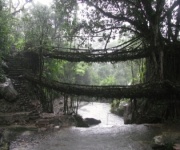
The stalls of Sohra Town Center reward curiosity and patience, and the flavours tend to linger longer in memory than any single waterfall. Pack a small appetite, an open mind, and a sense of humour about the weather, and the bazaar will quickly feel like the warmest corner of the wettest place on earth. Reach out through the booking page on the site to plan a journey that weaves the food stalls together with Cherrapunjee's caves, living root bridges, and the dramatic panoramas of Thangkharang Park.