





Eating Your Way Through Cherrapunjee
Food in Cherrapunjee, also known as Sohra or Cherrapunji, reflects the cool, rain-soaked Khasi Hills of Meghalaya. Meals are built around rice, pork, smoked and fermented ingredients, forest produce, bamboo shoots and fresh vegetables. The flavours can be earthy, savoury and pleasantly sharp rather than heavily spiced, making the local table very different from the richer curry menus often associated with Indian travel.
For Australian visitors, eating here is part of understanding the region. A market breakfast in Sohra, a home-cooked Khasi meal at a homestay and a simple plate served after visiting a waterfall can reveal more about Meghalaya than a standard restaurant itinerary. Travellers accustomed to Sydney café breakfasts, Melbourne farmers’ markets or Brisbane’s broad multicultural dining scene may find Cherrapunjee’s food more seasonal, home-style and closely tied to local communities.
Flavours Shaped by the Khasi Hills
The Khasi people have traditionally relied on rice, local vegetables, pork, fish and ingredients gathered from the hills. Since Cherrapunjee receives some of the heaviest rainfall on Earth, the surrounding landscape is exceptionally green, and local cooking makes practical use of what grows nearby. Ginger, chillies, turmeric, bamboo shoots, sesame, fermented soybean and leafy greens appear regularly in kitchens across Meghalaya.
Pork is especially important in Khasi cuisine, although chicken, beef and fish may also be available depending on the community and the establishment. Meat is often boiled, roasted, smoked or cooked with a restrained amount of seasoning so that its natural flavour remains prominent. A bowl of rice with a meat preparation, greens and a hot chutney can be more representative of the region than a restaurant-style curry.
Fermentation adds another layer to the local food culture. Tungrymbai, made from fermented soybeans, has a deep, savoury aroma and is usually served as a thick preparation with rice. Bamboo shoot dishes can be tangy and powerful, while fermented fish may be used in sauces or soups. These flavours are worth approaching with curiosity, particularly if you enjoy the sour and umami notes found in some Australian native and Asian-inspired cooking.
Essential Dishes to Order
Jadoh is one of the best-known Khasi dishes. The name refers to rice cooked with meat, traditionally pork, and the dish may be served with a small portion of gravy, chutney or vegetables. It is filling without being overly elaborate and makes a useful first order for visitors who want a substantial local meal.
Doh khleh is another popular choice: a pork salad generally prepared with onion, ginger, green chilli and herbs. It can be served warm or at room temperature, and the combination of fatty pork with sharp onion and chilli gives it a clean, lively taste. Ask about the preparation before ordering if you prefer milder food, as the heat level can vary between cooks.
Dohneiihong combines pork with black sesame, producing a dark, nutty sauce that is particularly characteristic of Khasi cooking. Smoked pork is also common and may be paired with leafy vegetables or bamboo shoot. For a lighter option, look for rice with seasonal greens, pumpkin, beans or local mushrooms, although vegetarian choices can be less extensive outside larger towns.
Visitors may also encounter nakham bitchi, a Garo-style soup made with dried fish, chillies and other ingredients. It is more strongly flavoured than many everyday Khasi dishes and is not guaranteed to appear on every menu. Local fruits such as pineapple, banana, orange, papaya and sohiong, a small dark berry associated with Meghalaya, are worthwhile additions when in season.
Markets, Homestays and Resort Tables
The best place to see everyday ingredients is the local market in Sohra. Stalls may carry vegetables, herbs, fruit, smoked meat, dried fish, chillies and packets of local snacks. Market hours and stock change with weather and supply, so an early visit usually offers the broadest choice. This is a place to observe first and purchase second: ask permission before photographing people or produce, and use small notes where possible.
Homestays often provide the most personal food experience because meals are prepared in a household kitchen. When booking, mention dietary preferences clearly and ask what is included in the package. A host may be able to arrange Khasi dishes that are not listed on a formal menu, while a resort restaurant may offer a broader selection of Indian, Chinese and continental food for guests who want familiar alternatives.
Food at accommodation is particularly useful in Cherrapunjee because evening transport is limited and heavy rain can make spontaneous restaurant-hopping impractical. Many properties require advance notice for dinner, especially when ingredients need to be purchased locally. Confirm meal times, drinking water arrangements and whether tea, breakfast and packed lunches are included before setting out for a full day of sightseeing.
For Australians used to comparing produce at Queen Victoria Market in Melbourne or buying ready-to-eat meals at a Sydney weekend market, the scale here is more modest and the rhythm slower. Bargaining is not appropriate everywhere, and a friendly request is more effective than treating the market like a retail transaction. Carry reusable bags and avoid buying wildlife products or anything whose origin is unclear.
Food Along the Sights
Sightseeing days often begin with breakfast at a hotel or homestay, followed by tea and snacks at roadside stalls. Around popular viewpoints and waterfalls, you may find noodles, momos, pakoras, boiled eggs, sweet tea and bottled drinks. These are convenient rather than deeply regional, but they are useful when rain, steep paths and long drives make a full restaurant meal inconvenient.
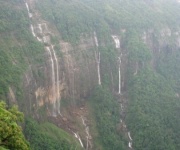
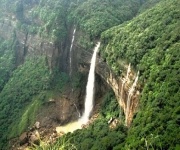
A packed lunch is valuable for excursions to Nohkalikai Falls, the Mawsmai Cave area, the Seven Sisters Falls viewpoints and surrounding villages. Rice, meat, vegetables and fruit travel better than dishes with delicate sauces. Your accommodation can often prepare a meal in advance, but arrange it the previous evening and confirm where it will be collected.
Travellers planning a walking day can combine food with a cultural stop. For example, those reading a Mawryngkhang trek guide should expect a hike where food options are limited, making water and a packed snack essential. Local bananas, roasted nuts, biscuits or a wrapped rice meal are more practical than relying on a café appearing along the route.
The road between Shillong and Cherrapunjee also offers occasional stalls selling fruit, tea and simple snacks, though opening times are unpredictable. If you are travelling with children, older relatives or anyone who needs regular meals, plan food stops rather than assuming every attraction will have a reliable kitchen nearby.
How to Eat Well in the Wet Season
Cherrapunjee’s rain affects every part of a food itinerary. Roads can slow dramatically, outdoor seating may become unusable and markets may have less fresh produce after severe weather. Carry a small supply of dry snacks, a refillable water bottle and an appetite for warm tea. Keep electronics and packaged food in waterproof bags during walks.
Food safety is generally best managed through simple habits. Choose busy stalls where ingredients move quickly, eat food that is cooked thoroughly and drink treated or sealed water. Peel fruit yourself, use hand sanitiser after market visits and be cautious with raw salads if you are uncertain about how they were washed. These precautions are sensible for Australian travellers who may not be accustomed to local water and hygiene conditions.
Chilli levels deserve attention as well. A dish can look mild yet contain fresh green chilli, and a chutney served on the side may be far hotter than expected. Ask for less chilli if needed, but do not assume that every local preparation can be adapted. Rice, yoghurt where available and bananas can help balance a particularly fiery meal, while plain tea is often a comfortable finish.
Anyone with allergies should explain them carefully and show a translated note if necessary. Peanut, sesame, fish, soy and dairy may appear in unexpected preparations. Vegetarian and vegan travellers can eat well, but should clarify whether a vegetable dish contains fermented fish, meat stock or pork fat rather than relying on the word “vegetarian” alone.
Practical Recommendations for Australian Travellers
A little planning makes it easier to enjoy regional dishes without missing meals or spending the trip searching for familiar food. Cherrapunjee is not a destination where every restaurant offers a large printed menu, and availability can change with weather, festivals and local supply.
- Begin with jadoh, doh khleh or dohneiihong, then try smoked pork, bamboo shoot and seasonal greens as your confidence grows.
- Ask your homestay or resort to prepare one traditional Khasi dinner and one packed lunch for a sightseeing day.
- Visit the Sohra market in the morning for fruit, vegetables, snacks and a view of ordinary local food shopping.
- Carry sealed water, hand sanitiser and a few familiar snacks, especially when travelling with children or older family members.
- Tell hosts about allergies, vegetarian requirements and chilli preferences before meals are prepared.
- Keep small Indian rupee notes available for tea stalls, markets and roadside snacks, since card payments may not be accepted.
- Treat local produce and household recipes as part of the travel experience rather than expecting every dish to resemble restaurant food in Brisbane or Perth.
Families should also consider meal timing when building an itinerary. A long drive, a cave visit and a waterfall walk can leave children and older travellers tired before dinner. The advice in this multi-generational family trip guide is useful for matching sightseeing pace with rest, transport and accommodation needs, all of which have a direct effect on how comfortably you can enjoy local food.
A multi-night stay gives you time to try several styles of eating: market snacks, a home-cooked Khasi meal, a resort dinner and simple food near the attractions. It also allows you to revisit a favourite dish when the first day’s weather disrupts your plans. Two or more nights are generally more rewarding than treating Cherrapunjee as a rushed stop between Shillong and another destination.
Plan your Cherrapunjee holiday around its food as well as its waterfalls, caves and living root bridges. Choose accommodation that can arrange local meals, mention dietary needs when making a booking and allow time for an unhurried market visit in Sohra. Contact India Beacons Sojourn through Cherrapunjee.net to discuss a suitable tour or vacation package, from a short stay to a longer Meghalaya journey shaped around the landscapes and flavours of the Khasi Hills.