




Gentle Waterfall Experiences Around Cherrapunjee
Cherrapunjee, also known as Sohra or Cherrapunji, is famous for dramatic waterfalls, misty escarpments and some of the wettest landscapes on earth. For elderly travellers, however, enjoying the region is less about reaching every cascade and more about choosing viewpoints, roads and short walks that provide a rewarding experience without unnecessary strain.
Several of Sohra’s best-known waterfalls can be appreciated from roadside lookouts or well-established viewing areas. Others involve hundreds of steps, slippery ground or long approaches through forest. A carefully paced itinerary can include memorable scenery while leaving time for rest, warm meals and the changing weather.
Travellers arriving from Australia will usually need to connect through a major Indian city before reaching Meghalaya. Flights from Sydney, Melbourne, Brisbane or Perth may involve a long international journey followed by a domestic flight or road transfer to Guwahati. Allowing a night to recover before sightseeing is a sensible way to begin a comfortable holiday.
What Accessible Means In Sohra
Accessibility in Cherrapunjee is generally practical rather than purpose-built. Many waterfalls are located in hilly countryside, where a vehicle can reach a scenic point but paths may still include uneven paving, steps or damp earth. A person who walks independently with a cane may manage locations that would be difficult for someone using a wheelchair or walker.
The best approach is to assess each stop by its walking distance, surface, slope, seating and toilet access. Ask a local driver or tour operator about the current condition of the path, since heavy rain can alter steps, wash away edges and make moss-covered surfaces hazardous. A private car with a patient driver is usually more suitable than trying to combine several remote sites by public transport.
Australian visitors may be accustomed to accessible facilities in major cities such as Melbourne, Sydney and Brisbane, where lifts, kerb ramps and marked paths are common. Rural Meghalaya operates differently. Even when a lookout is close to the car park, assistance with getting in and out of a vehicle can make the visit far more comfortable.
Waterfalls With The Easiest Viewing
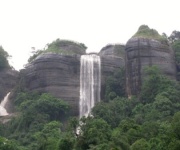
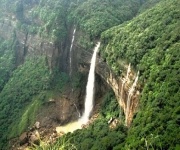
Nohkalikai Falls is one of the strongest choices for an older traveller who wants a spectacular view without undertaking a demanding descent. The principal viewpoint is reached by road, with a relatively short approach compared with the long staircase leading towards the base. From the lookout, the waterfall drops into a vivid blue-green pool surrounded by forest and cliffs.
The viewing area can become busy, particularly during Indian public holidays and the Australian winter travel season from June to August. Arriving earlier in the day often means gentler light, fewer visitors and more time to position yourself safely near the viewing boundary. Stay behind barriers and avoid wet edges, since mist and rain can reduce grip.
Dainthlen Falls is another useful option for a low-effort sightseeing day. Its viewpoints are close to the access road, and the broad landscape allows visitors to appreciate the stream and rocky gorge without committing to a long hike. The final approach may still be uneven, so supportive shoes and a steady arm are preferable to smooth sandals.
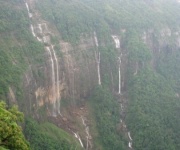
The viewpoints around the Seven Sisters Falls, also known as Nohsngithiang Falls, can provide a memorable panorama from above. The cascades are most impressive during or after the monsoon, although cloud can sometimes obscure the full drop. There is no need to pursue a strenuous route to enjoy the main view; a driver can choose a suitable stopping point and allow time for photographs.
Thangkharang Park is particularly useful for travellers who value scenery over a close approach to falling water. Its elevated outlooks face the Bangladesh plains and nearby cascades, and a short visit can be arranged around the most level sections. Before setting out, review Thangkharang Park views for a clearer idea of the viewpoints and what the visit involves.
A Practical Comparison For Older Visitors
The following comparison is a planning guide rather than a guarantee of fully accessible facilities. Conditions vary with rainfall, maintenance and crowd levels. A local operator can adapt the order of stops and skip any path that feels unsafe on the day.
| Waterfall or viewpoint | Access profile | Best for | Main caution |
|---|---|---|---|
| Nohkalikai Falls viewpoint | Short approach from road area | Dramatic scenery with limited walking | Wet surfaces and exposed edges |
| Dainthlen Falls | Road-accessible viewpoints | Gentle sightseeing and photography | Uneven ground near the lookout |
| Seven Sisters viewpoint | Short walk or roadside viewing | Wide valley panoramas | Waterfall may be hidden by cloud |
| Thangkharang Park outlooks | Park paths with some uneven sections | Landscapes and distant cascades | Confirm the easiest route and seating |
| Elephant Falls | Developed approach but many stairs | Visitors comfortable with steps | Slippery stairways and busy periods |
| Wei Sawdong Falls | Steep stair route | Strong walkers seeking a close view | Not suitable for limited mobility |
Elephant Falls near Shillong is sometimes added to a Cherrapunjee tour because it has a recognisable name and a developed visitor setting. It is beautiful, yet the route includes a substantial number of steps. It may suit an older traveller with good balance and stamina, but it should not be described as an effortless stop.
Wei Sawdong Falls is best treated as an optional excursion for fit walkers. The staircase and steep terrain make it unsuitable for many people with arthritis, breathlessness, balance concerns or reduced knee strength. Seeing fewer waterfalls from comfortable viewpoints is a better holiday choice than turning a scenic day into a painful recovery period.
Routes, Weather And Rest Stops
Sohra’s weather can change quickly. A clear morning may become rainy within an hour, while heavy cloud can soften visibility at a major lookout. The monsoon, generally from June to September, creates powerful waterfalls but also increases slippery paths, traffic delays and the chance of cancelled outdoor plans. October to April often offers more dependable walking conditions, although showers remain possible.
Plan one or two principal viewpoints per day rather than trying to collect every attraction. A relaxed route might combine Nohkalikai Falls with a nearby lunch, followed by a short visit to a park or market. The next day could include Dainthlen Falls, a cave entrance viewed from the safest accessible area and an early return to the accommodation.
Rest stops matter because driving times can feel longer than expected on winding hill roads. A good vehicle should have comfortable seating, working seat belts and enough room for walking aids. Breaks for water, tea and stretching are especially valuable after the transfer from Guwahati, which may take several hours depending on traffic and road conditions.
Local cafés and small restaurants may not offer the same menu consistency found in Australian shopping centres. Carrying familiar snacks can help, while hot rice, dal, vegetables and mild chicken dishes are often easy to request. Visitors who need low-salt meals, diabetic-friendly snacks or strict dietary options should communicate these requirements before the trip rather than relying on roadside availability.
Planning Details That Reduce Strain
A few small preparations can make a major difference to comfort and confidence. Australian travellers often use tap-and-go payments at home, but rural Meghalaya may involve cash purchases, weak mobile coverage and limited card facilities. Keep smaller Indian rupee notes available for entry fees, drinks, local guides and toilets, while storing the main funds securely.
Travel insurance should cover overseas medical treatment, cancellation, baggage and activities included in the itinerary. Check the policy wording carefully if a tour includes caving, swimming, trekking or travel during heavy monsoon weather. Australian consumer protections do not automatically apply to every overseas supplier, so read the booking terms and payment conditions before sending funds.
Useful items for an easier waterfall day include:
- Lightweight walking shoes with a firm, non-slip sole
- A folding walking stick or compact mobility aid
- A waterproof jacket, poncho and small umbrella
- Prescription medicines in original packaging
- A refillable water bottle and familiar energy snacks
- A phone power bank and printed accommodation details
Health and entry preparation deserves equal attention. Australian passport holders should check the current Indian visa or e-visa requirements well before departure, and confirm that passport validity meets the entry rules. Carry a medication list, copies of prescriptions and details of travel insurance. India’s rules can change, so use official government sources for the final application rather than relying on an old travel forum.
Returning to Australia also involves strict biosecurity requirements. Do not bring home fresh fruit, seeds, soil-covered footwear or other restricted materials without checking the Department of Agriculture, Fisheries and Forestry rules. Clean muddy shoes before flying, declare anything uncertain and keep medicines within their permitted quantities. These habits are familiar to Australians because biosecurity checks are routine at airports across the country.
Making The Most Of A Gentle Itinerary
A two- or three-night stay can cover the most accessible waterfalls without making each day exhausting. Begin with the nearest viewpoints after arrival, then reserve a fuller sightseeing day for Nohkalikai, Dainthlen and Seven Sisters. Keep a flexible afternoon in case rain, fatigue or road delays require a change of plan.
Travellers who enjoy water landscapes but cannot manage steep trails may prefer viewing streams and pools from safe, supervised locations. Swimming is not automatically a gentle alternative: rocks can be slippery, currents may strengthen after rain and changing facilities can be limited. Information about river swimming holes can help distinguish scenic water spots from places that require stronger mobility and confidence.
A resort or hotel in or near Sohra should be chosen with practical questions in mind. Ask about ground-floor rooms, bathroom grab rails, shower access, hot water, dining times and the number of steps from the vehicle to reception. A property with a pleasant terrace may be more valuable than one located close to an attraction if it gives an older guest a comfortable place to rest between outings.
The local market can also be part of a slower travel day. Browse for woven products, regional tea and simple handicrafts rather than treating shopping as a rushed stop between waterfalls. Australians used to weekend markets in Adelaide, Perth or Hobart may enjoy the similar rhythm of browsing, though prices, bargaining customs and payment methods will be different.
Choose a Meghalaya package that allows private transfers, realistic sightseeing hours and adjustments for mobility. Contact Cherrapunjee.net or India Beacons Sojourn with the traveller’s walking ability, preferred pace and medical considerations before booking. With the right route, the region’s most accessible waterfalls can become the highlights of a rewarding and unhurried holiday.