





10 unforgettable things to do in Cherrapunjee in 48 hours
Cherrapunjee, officially known as Sohra or Cherrapunji, is a dramatic highland destination in Meghalaya where misty plateaus, plunging waterfalls, limestone caves and living root bridges fill a compact but rewarding travel circuit. Two days are enough to experience its signature landscapes if you begin early and group nearby attractions together.
The journey works best as a balance of scenic stops and active exploration. Spend one day around the main Sohra plateau, then reserve the second for waterfalls, forest paths and the famous living root bridge route. Weather can change quickly, so flexible timing is more useful than trying to follow a rigid schedule.
A private vehicle or hired local taxi makes the most of a short stay. Distances on the map may look modest, but winding mountain roads, monsoon traffic and walking trails can extend travel time. Comfortable shoes, a rain layer and an early start will make the experience considerably easier.
Start with the great waterfalls
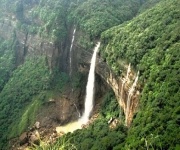
Nohkalikai Falls is the essential first stop for a Cherrapunjee sightseeing trip. From the viewpoint, water drops dramatically from a green cliff into a vivid blue pool far below. During the rainy season, the falls become broad and powerful; in drier months, the thinner cascade reveals more of the surrounding rock face. Arrive early for clearer views before clouds gather over the escarpment.
Continue to Seven Sisters Falls, also called Nohsngithiang Falls, where several streams descend side by side over a forested cliff. The waterfall is at its most impressive during the monsoon, though heavy rain can sometimes hide sections behind mist. The viewpoint is close to the main road, making it an efficient stop on a packed itinerary.
Add Dainthlen Falls if you want a quieter waterfall experience. Local legend connects the site with a giant serpent, and the rock formations around the cascade are part of the attraction. The surrounding landscape feels more open and peaceful than the busier viewpoints, especially in the morning.
Explore Sohra’s caves and forests
Mawsmai Cave offers one of the easiest ways to experience Meghalaya’s distinctive limestone landscape. The accessible section includes narrow passages, low ceilings, textured walls and occasional shafts of natural light. It is short enough to fit into a busy day, but visitors should expect wet, uneven surfaces and a few constricted stretches.
For a more adventurous outing, choose Arwah Cave near the Lawshynna area. Its forest approach and less commercial atmosphere give it a wilder character. Fossils embedded in the limestone are among the most interesting features, although reaching the cave involves a trail with steps and uneven ground. A local guide can be valuable, particularly after rain.
These cave visits are best planned during daylight. Carry a small waterproof bag for phones and cameras, and avoid smooth-soled footwear. If you are travelling with young children, older guests or anyone uncomfortable in narrow spaces, Mawsmai is generally the more manageable choice.
Walk among living roots
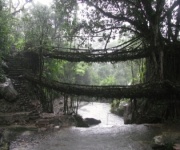
The Nongriat Double-Decker Living Root Bridge is one of the most memorable things to do near Cherrapunjee, but it demands time and stamina. The route descends hundreds of steps through humid forest to a remarkable bridge formed by training the roots of rubber fig trees across a stream. The structure is living architecture: it continues to strengthen and develop as the roots grow.
A 48-hour trip may allow the trek if you begin very early and are prepared for a long return climb. Many travellers combine it with a visit to nearby pools, though swimming conditions depend on weather and local guidance. Allow a full morning or longer rather than trying to squeeze it between two distant viewpoints.
The path can be slippery, particularly during the wet season. Use shoes with firm grip, carry water and bring a light snack. Do not rush the descent, since the return journey is physically demanding. If the bridge trek is too strenuous, explore shorter forest walks and root structures in other parts of the Sohra region.
| Experience | Approximate time needed | Best for | Planning note |
|---|---|---|---|
| Nohkalikai Falls | 30–45 minutes | Scenic views and photography | Go early for clearer visibility |
| Mawsmai Cave | 45–75 minutes | First-time cave exploration | Wear shoes with good grip |
| Nongriat bridge trek | 5–8 hours | Hiking and nature lovers | Start early and carry water |
| Seven Sisters Falls | 20–40 minutes | Monsoon scenery | Visibility changes quickly |
| Eco parks and gardens | 1–2 hours | Families and relaxed walks | Pair with nearby viewpoints |
| Wei Sawdong Falls | 2–3 hours | Active travellers | Steep access and careful footing |
Visit gardens, parks and local viewpoints
Sohra’s eco parks and gardens provide a slower counterpoint to the region’s demanding hikes. These landscaped areas combine walking paths, viewpoints, local plant life and broad views over the surrounding valleys. They are especially useful for families or travellers who want to enjoy Meghalaya’s scenery without committing to a full-day trek. This guide to eco parks can help you decide which spaces fit your route.
Thangkharang Park is particularly well known for its high-elevation views toward the plains and Bangladesh. On clear days, the scale of the landscape is striking, while cloudy weather creates the atmospheric layers that define Sohra. Nearby viewpoints can be visited in the same outing, reducing time spent travelling back and forth.
Make room for Mawkdok Dympep Valley, where a dramatic gorge opens beneath the road. The viewpoint is a popular photo stop, but it also illustrates how quickly the plateau breaks into deep valleys and forested slopes. Visit in the morning or late afternoon when the light gives more definition to the ridges.
Chase the less crowded cascades
Wei Sawdong Falls is a strong choice for travellers who want a more active waterfall visit. The cascade drops through several levels of dark rock and turquoise pools, reached by a steep route with stairs and uneven sections. It takes longer than a roadside viewpoint, but the layered falls reward those willing to make the effort.
Because access can be slippery, take the descent slowly and follow any local restrictions. Avoid standing close to edges or entering pools when currents are strong. In the rainy season, water levels can change rapidly, and a beautiful photograph is never worth ignoring safety instructions.
If you prefer a gentler stop, include Kynrem Falls, located within the Thangkharang area. Its multiple tiers are surrounded by thick greenery, and the setting feels more spacious than the compact viewpoints. These waterfalls can fill the final part of a sightseeing day before you return to your resort in Sohra.
Slow down for food and village life
A short trip should include time for local Khasi food rather than treating every stop as a photograph. Look for restaurants serving rice with pork, chicken or fish, seasonal greens, tungrymbai and other regional preparations. Menus vary between establishments, and asking staff about local specialties can lead to a more distinctive meal than choosing familiar North Indian options.
Spend a little time in Sohra market or a nearby village area to see everyday life beyond the tourist circuit. Local produce, bamboo goods, oranges when in season and simple household items offer a different perspective on the plateau. Shopping need not be extensive; respectful observation and purchasing from small vendors can make the stop meaningful.
A family-oriented schedule may benefit from the practical ideas in this family-friendly itinerary, particularly when balancing walks, viewpoints and rest breaks. Keep your plans adaptable, since rain may turn a ten-minute stop into a longer shelter break.
Shape the two days around the weather
For the first day, begin with Nohkalikai Falls, then visit Mawsmai Cave and Seven Sisters Falls before lunch. Continue to Dainthlen Falls, Thangkharang Park and a nearby eco park or viewpoint in the afternoon. This route combines the major waterfalls, a cave and relatively easy walks without sending you repeatedly across the same roads.
Reserve the second day for Nongriat if you are fit and comfortable with a demanding hike. If that trek is unsuitable, substitute Wei Sawdong Falls, Arwah Cave and Kynrem Falls, allowing enough time for slow access and rest. Finish with a local meal and, if the sky is clear, a final valley viewpoint before departure.
- Book accommodation in or near Sohra to reduce early-morning driving.
- Check rainfall and road conditions before committing to steep trails or cave visits.
- Carry a refillable water bottle, light snacks, a rain jacket and dry clothing.
- Keep cash available for local entry fees, small vendors and transport outside town.
- Leave generous time between attractions instead of planning every stop to the minute.
Cherrapunjee rewards an unhurried approach even when the visit lasts only 48 hours. Choose a few major sights, add one demanding experience if your fitness and weather allow it, and leave space for misty viewpoints, village food and unexpected roadside scenery. For package planning, accommodation details and booking support, contact Cherrapunjee.net and turn your two-day Meghalaya escape into a well-organised stay.